
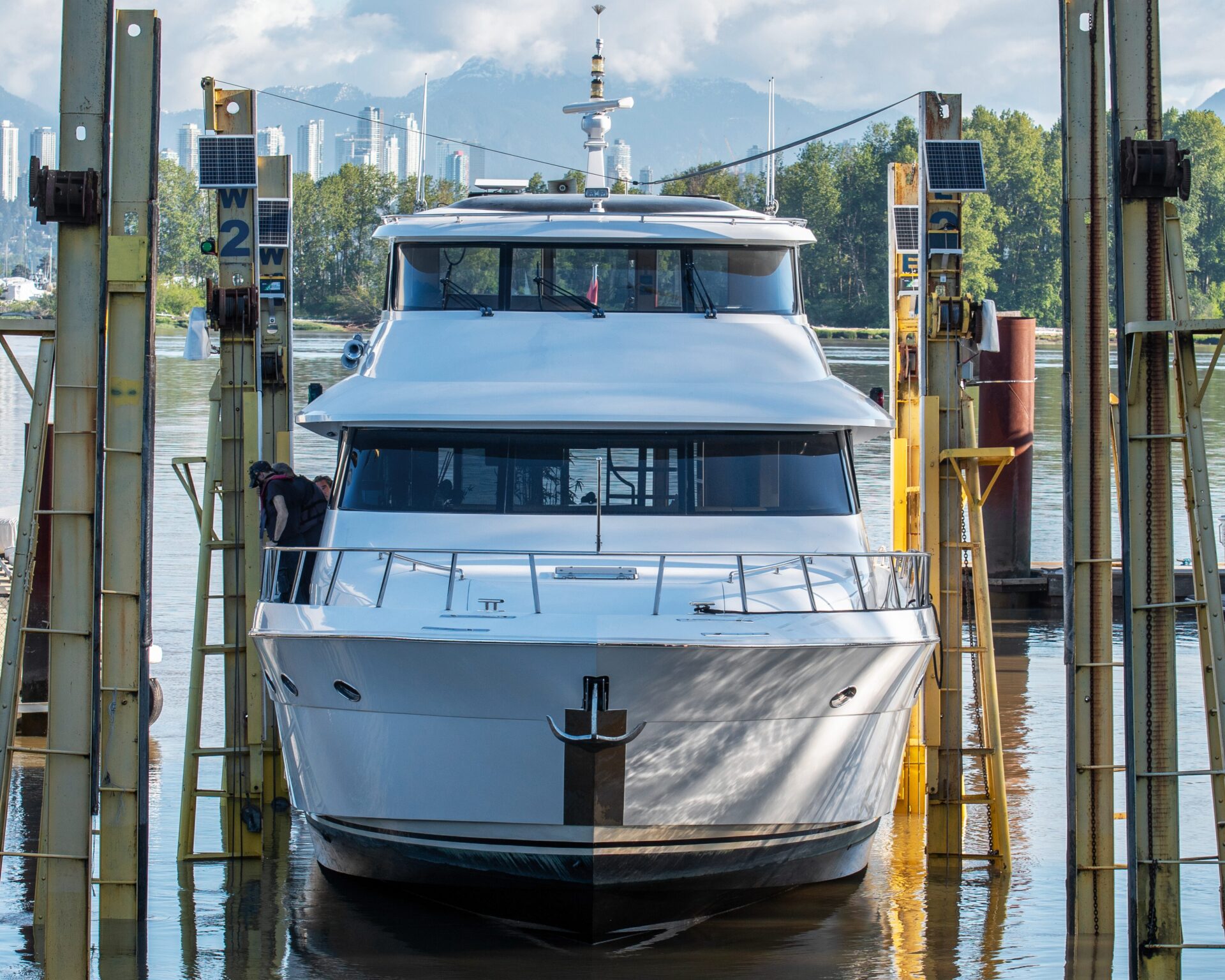
“Full-service” is a term that gets used a lot in refit work, but the process is often misunderstood. It doesn’t mean every trade working at once or simply offering more services under one roof. In reality, full-service refit work is about coordination, sequencing, and problem-solving across the entire project.
A successful refit isn’t defined by any single task. It’s defined by how well dozens of interdependent decisions are planned, managed, and adjusted along the way.
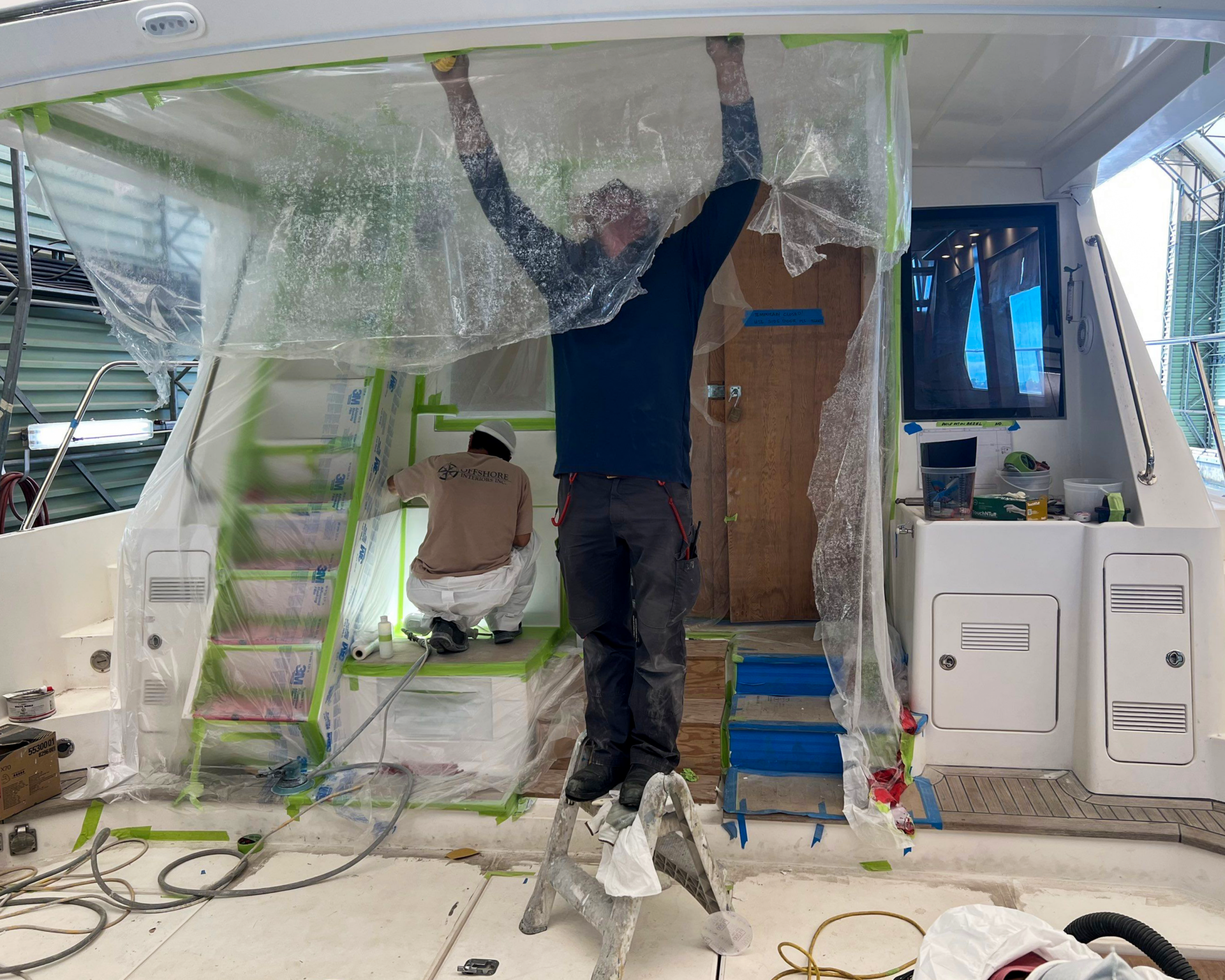
A refit is a sequence, not a single job
A refit is a series of connected decisions that unfold over time. Mechanical changes affect structural work. Structural changes affect electrical runs. Electrical layouts influence interior design. When one element shifts, everything connected to it needs to be reviewed.
Without coordination, small changes can cascade into delays, rework, or compromised outcomes.
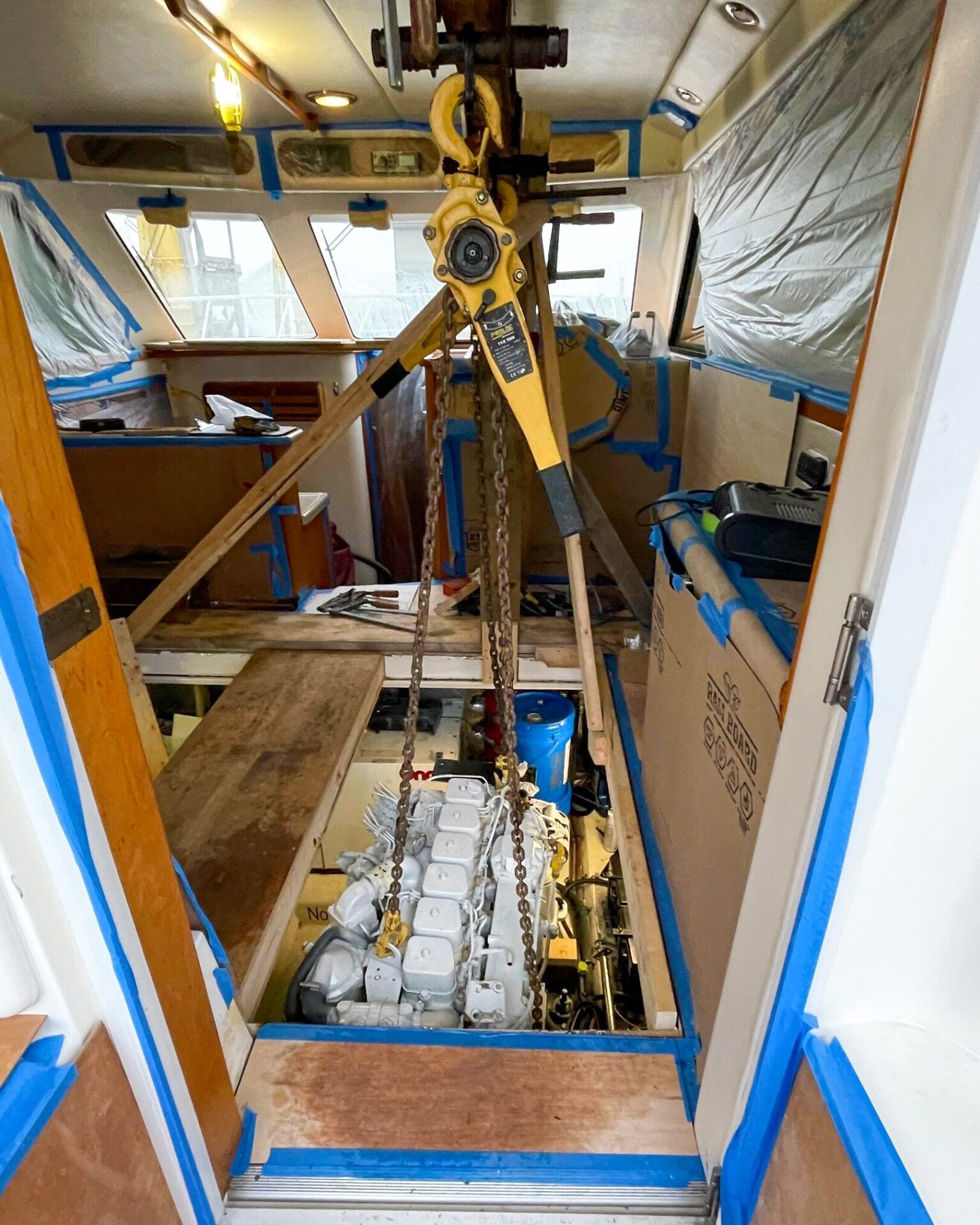
Mechanical and core systems establish the baseline
Mechanical and systems work often establishes the framework for the entire refit. Engine access, shafting alignment, plumbing runs, and equipment placement don’t just affect the systems themselves. They influence structural modifications, electrical routing, and even interior layouts.
Decisions made at this stage need to consider not only current installation, but long-term access, serviceability, and future upgrades.
Structural and fiberglass work affects everything that follows
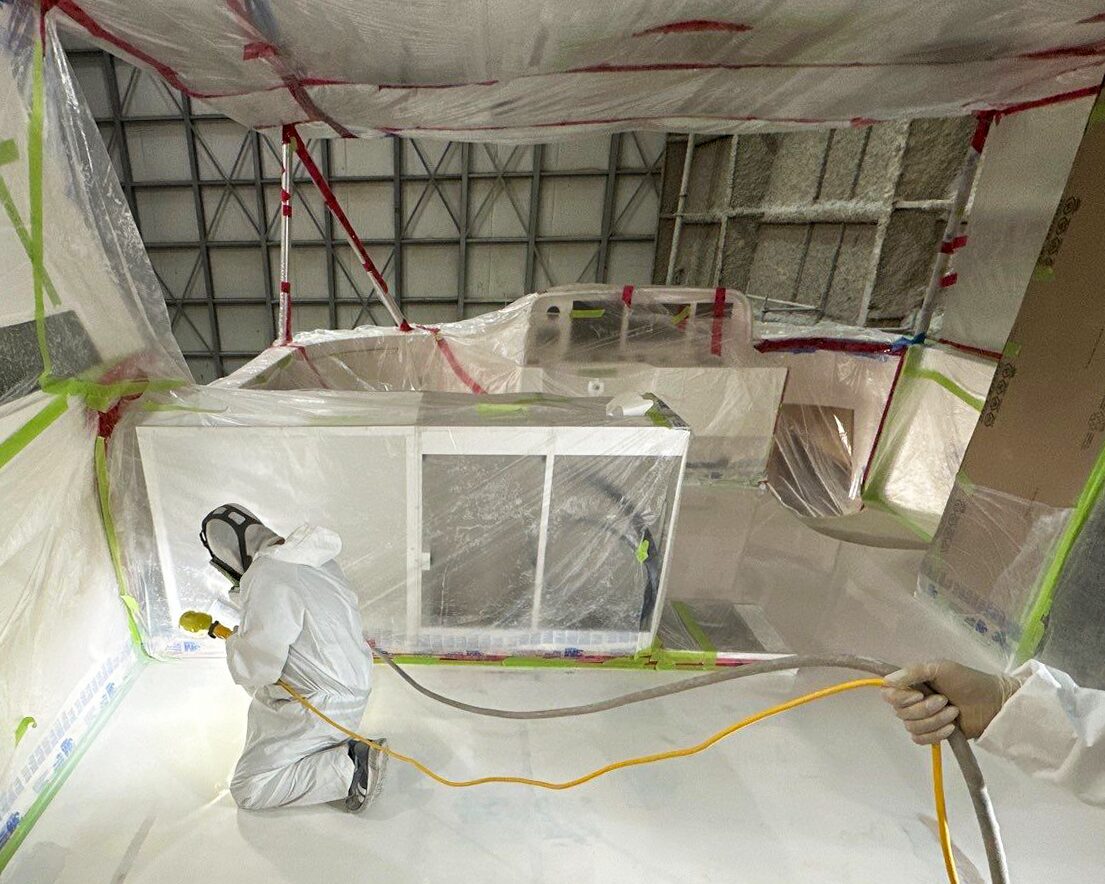
Fibreglass and structural work are rarely isolated. Changes here affect access points, load paths, equipment mounting locations, and how systems are supported throughout the vessel.
These decisions are coordinated with mechanical and electrical teams before spaces are closed up, reducing the risk of reopening finished work later.
Electrical systems are planned around structure and machinery
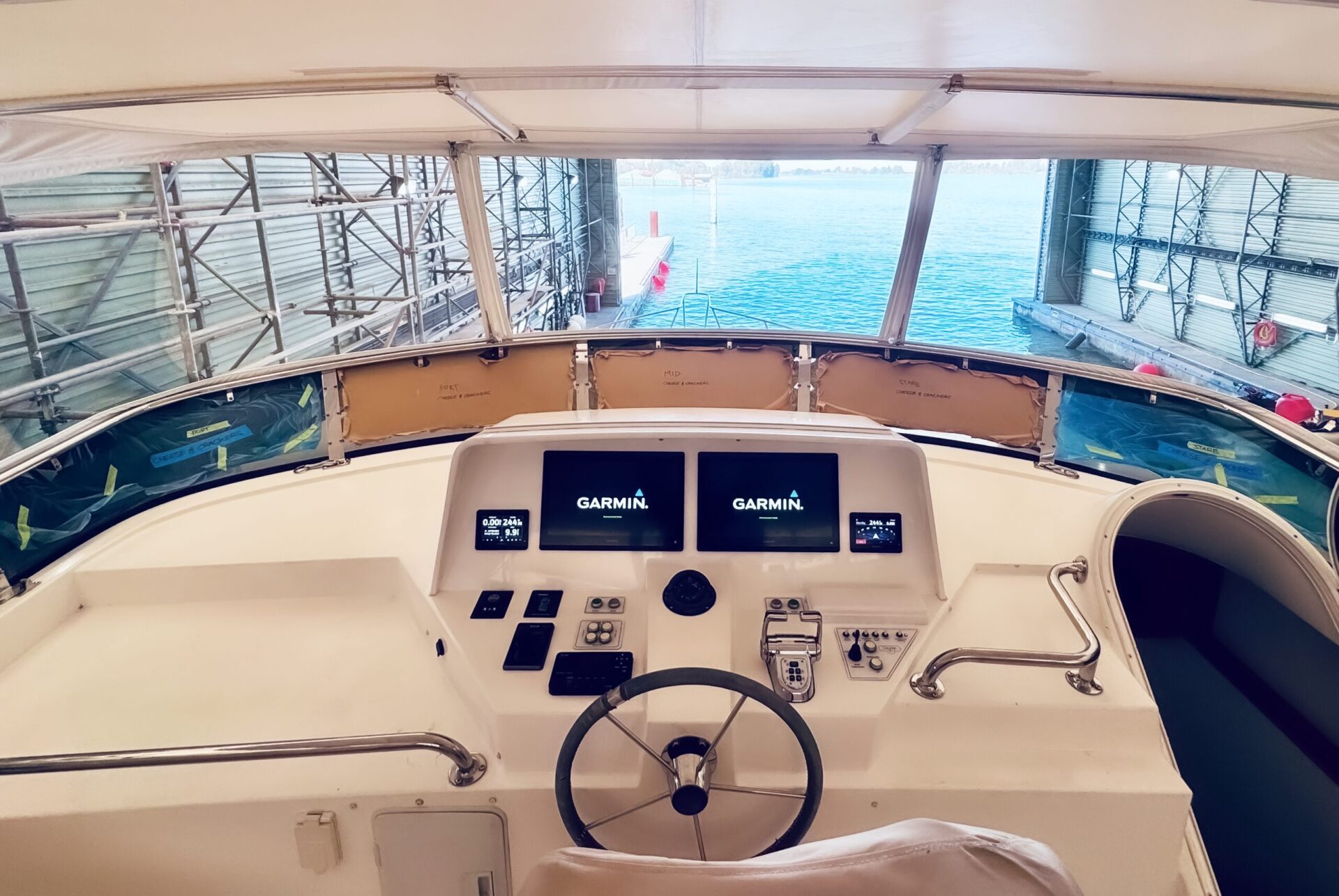
Electrical systems, navigation equipment, and onboard integration are planned around the realities created by structure and machinery. Structural changes, mechanical layouts, and interior constraints all dictate where wiring, panels, and components can realistically live.
Joinery and interiors depend on everything prior
Joinery is often the most visible part of a refit, but it’s also one of the most dependent. Clearances, access panels, system routing, ventilation, and finish sequencing all need to be confirmed before final installation begins.
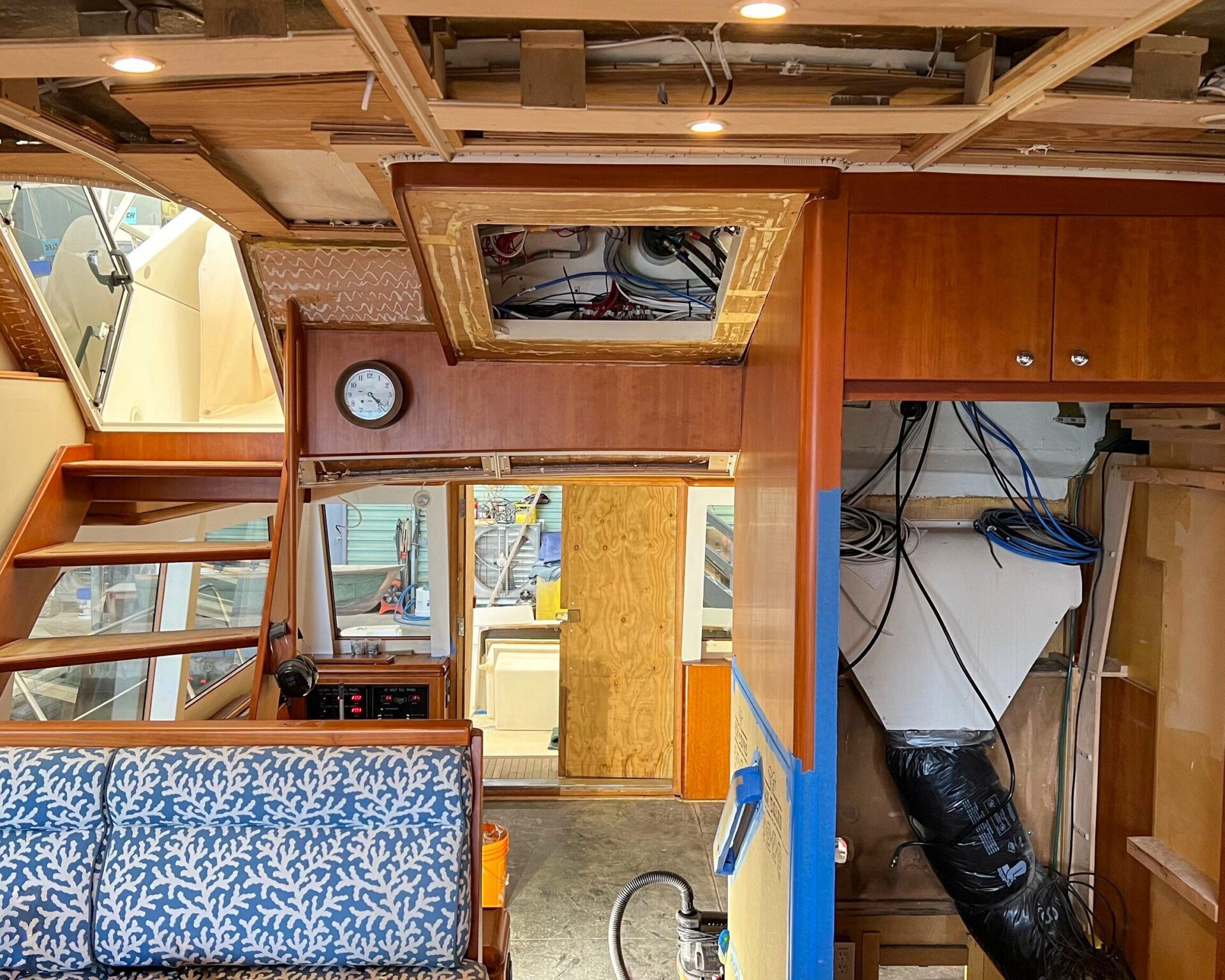
The design process is closely integrated with all other disciplines. Joinery and interior work often provide practical, creative solutions when constraints arise through custom requirements or existing conditions, ensuring performance and functionality are maintained while still meeting the owner’s expectations.
Coatings are scheduled to protect completed work
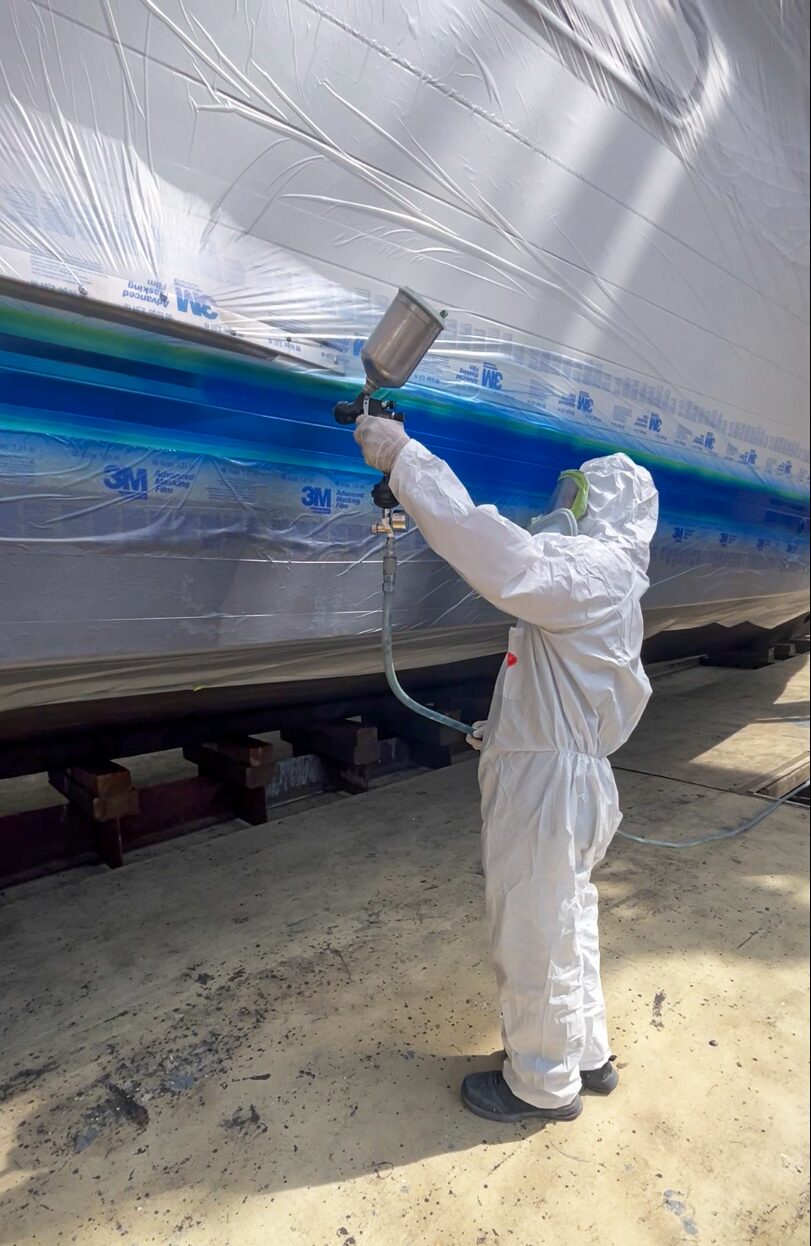
Paint and coatings are not just aesthetic decisions. Their timing is carefully planned around structural completion, environmental conditions, cure times, and protection of finished work.
Proper scheduling here protects the investment made across every prior phase of the refit.
Where Coordination actually happens
This is where full-service truly shows up:
- Planning work in the correct order
- Managing dependencies between trades
- Adjusting sequencing when scope changes
- Communicating impacts early, not after the fact
It’s active coordination, reducing issues before they become problems.
The problem-solving layer
Unexpected findings are a part of refit work. What matters is how they’re handled. A coordinated yard can assess impacts across disciplines, adjust sequencing, and keep the project moving without shortcuts or rushed decisions.
That problem-solving happens at the yard level and becomes more difficult when work is divided across multiple, independent trades without shared coordination.
Our Role at West Bay Shipyards
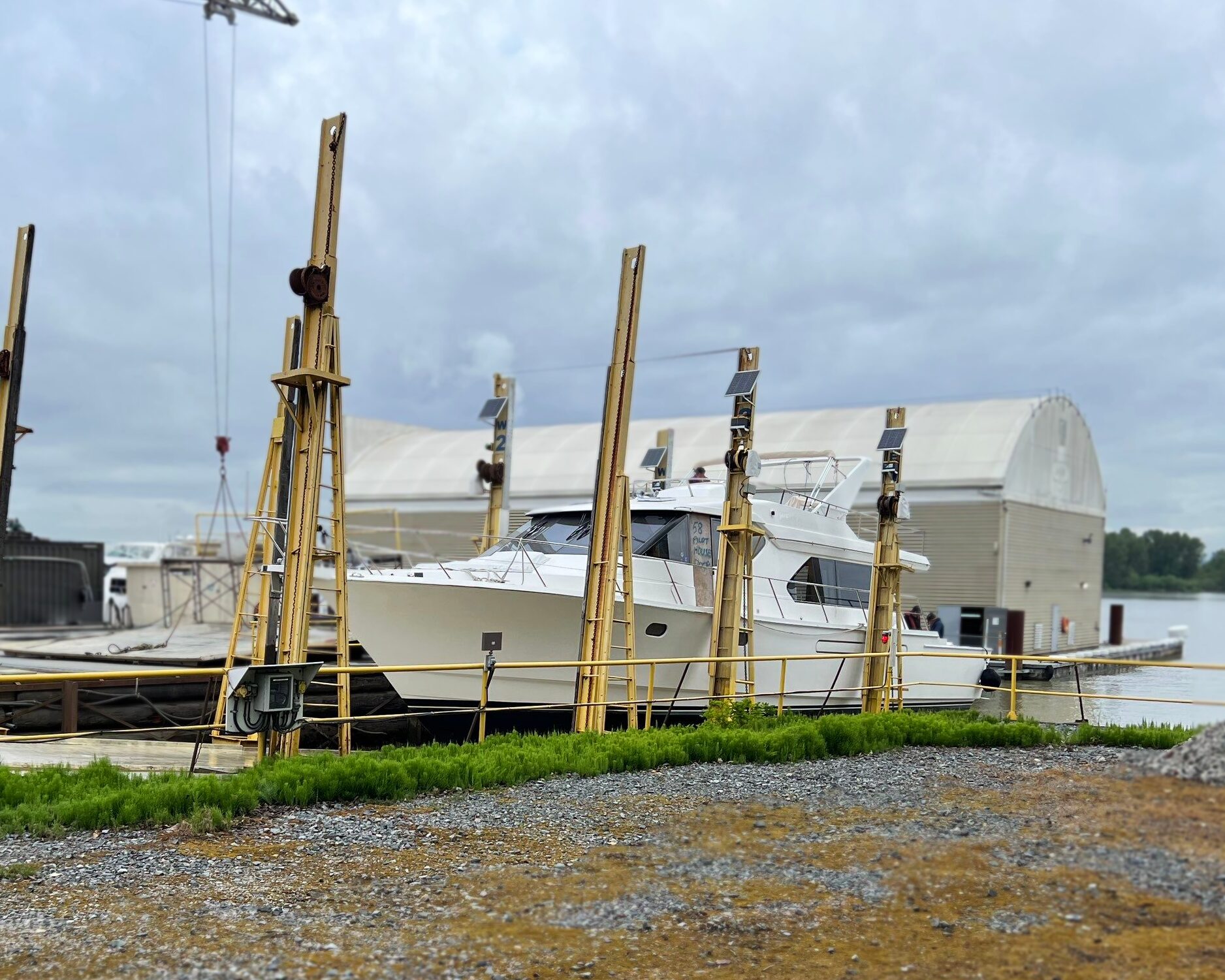
At West Bay Shipyards, our role is to manage the full picture. One yard, one coordinated plan, and one accountable team overseeing how all the moving parts come together.
Full-service isn’t about doing more work. It’s about doing the right work, in the right order, with fewer surprises along the way.
Considering a refit? Whether you’ve recently purchased a used vessel or are looking to refresh a yacht you know well, our team works closely with owners to plan and execute refits that balance performance, functionality, and longevity.
Get in touch to learn how we can help move your next project forward.