
Every year, we hear a similar story unfold, boats tucked away for the season in a rush, only to come back in spring with preventable problems. The reality is that even here on the West Coast, where winters are milder than in other regions, moisture, temperature swings, and neglect can still cause expensive damage.
Why Winterize?
Whether your boat spends the off-season in or out of the water, skipping or cutting corners on winterization can be a costly mistake. Salt air, moisture, and long periods of inactivity create the perfect environment for corrosion, mold, and system failures.
Don’t let our mild West Coast winters fool you! Unlike boats in inland or East Coast regions that face hard freezes, our main challenges come from dampness and neglect. Electrical systems corrode faster, fuel and cooling systems develop buildup, and interior materials absorb moisture.

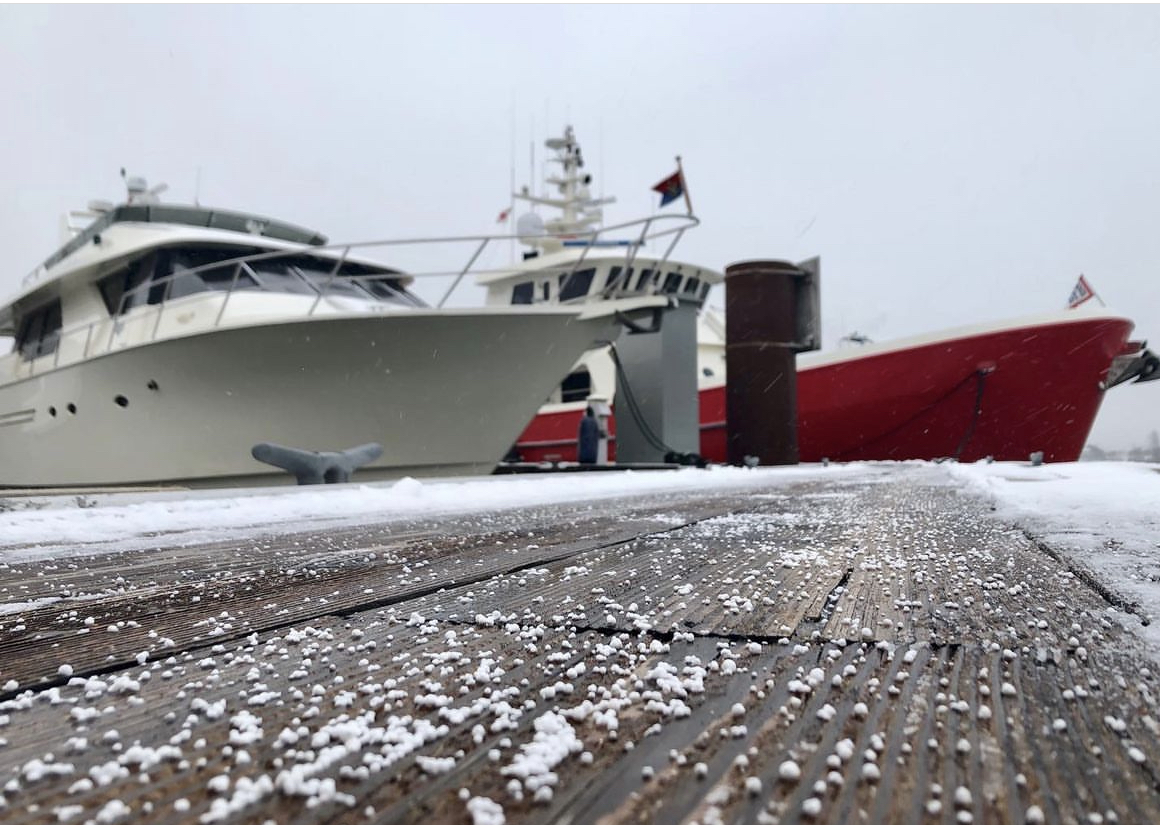
Just last year, our “mild” West Coast winter brought ice storms that filled the Fraser River with chunks of ice drifting past the Shipyard.
Beyond protecting your investment, many insurance policies in Canada require winterization as a condition of coverage. Failing to properly winterize your boat may result in costly out-of-pocket repairs or denial of claims. In worse cases, if your boat doesn’t survive the off-season and causes damage to other property due to sinkage, you could be held liable for any resulting damage.
Winterizing your boat will ultimately depend on its size, motor type(s), and storage location, but there are a few main tips to follow. Always check your manufacturer’s manual for specific instructions and consult with a professional if you’re ever unsure.
Flush, Drain, & Dry
Even in a mild climate, standing water causes trouble, especially salt water. Drain all sea strainers and fresh and raw water systems, including tanks, pumps, and lines. Close all thru-hulls once systems have been flushed and drained to protect fittings and prevent water from entering while the boat is unattended.
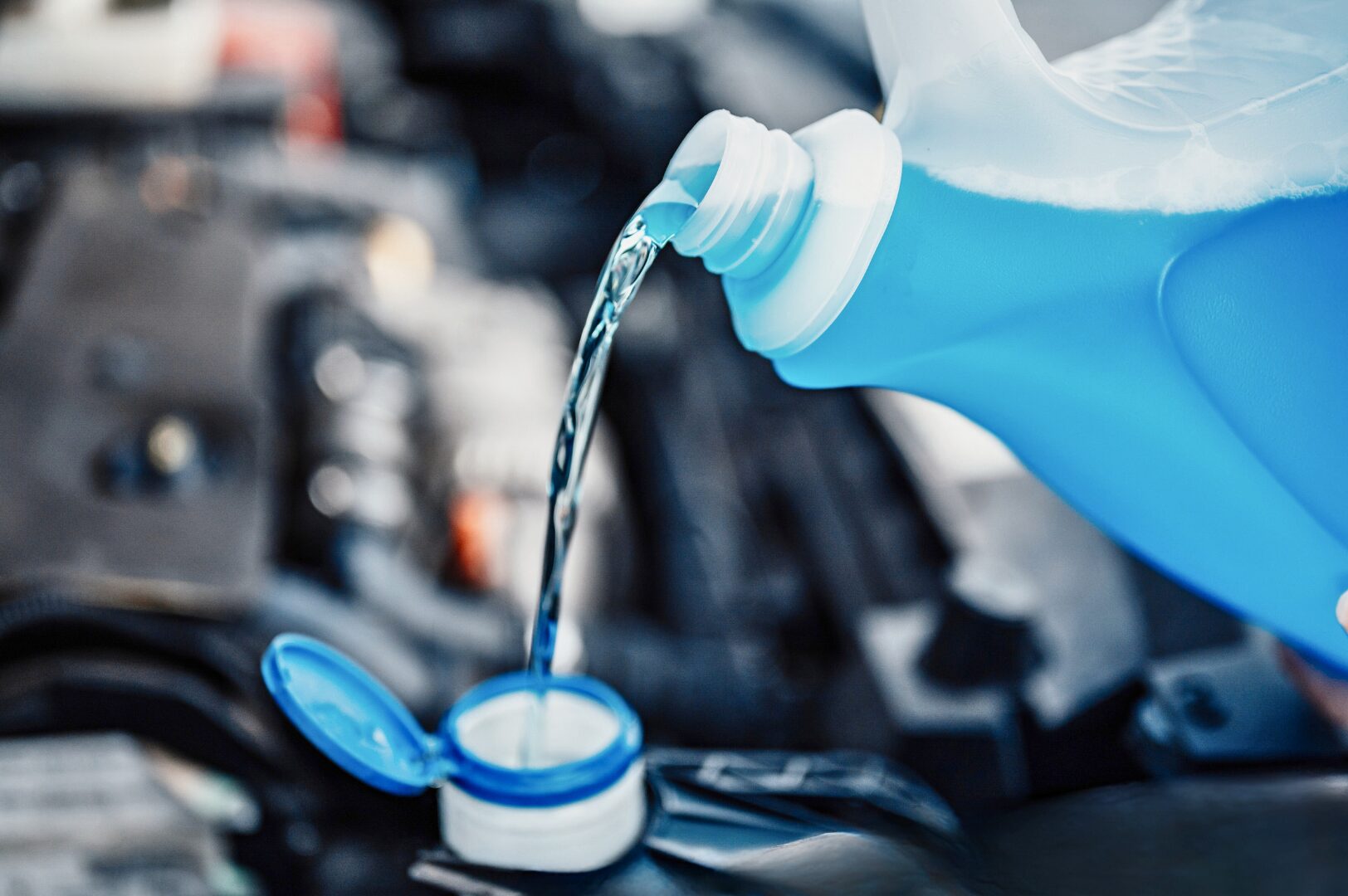
Run non-toxic antifreeze through systems where draining isn’t possible—especially heads and washdowns.
Why It Matters:
Standing water can promote corrosion over the winter. Even brief cold snaps can expand residual water in tanks, strainers, or fittings, causing cracks, leaks, or flooding. Properly draining and protecting these systems reduces costly damage and keeps your boat ready for a smooth spring launch.

Bilge & Pump Maintenance
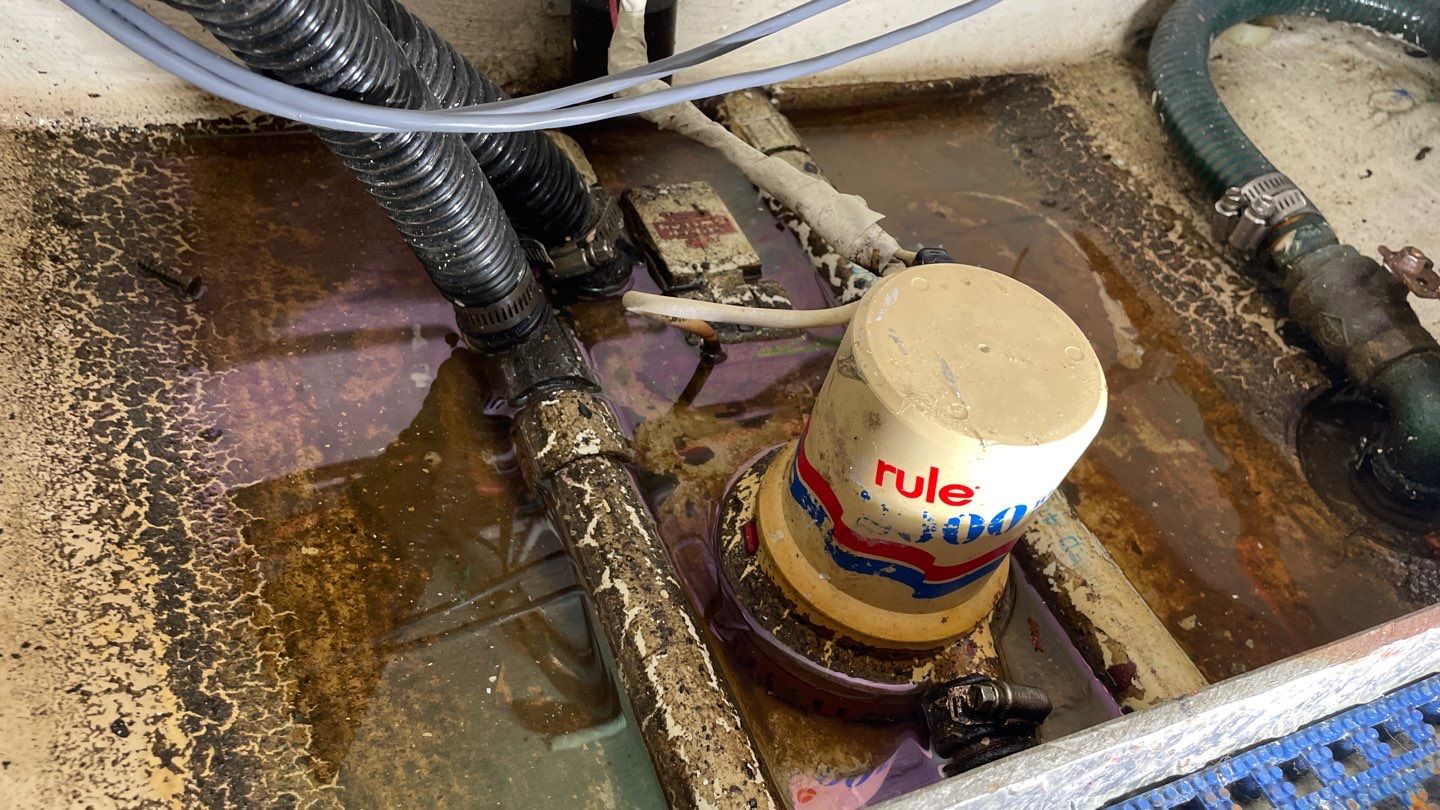
While flushing and draining your systems, take time to inspect all bilges and bilge pumps. Remove debris, check hoses for cracks or signs of erosion, and ensure float switches move freely. Test each pump to confirm it activates and drains properly, and consider a backup if your vessel doesn’t already have one.
Why It Matters:
A malfunctioning bilge pump can allow water to accumulate, leading to flooding, damage, or even sinking. Damaged or clogged hoses are one of the most common issues our mechanical team encounters, often overlooked during winter prep. Regular bilge and pump maintenance protects your vessel from water damage, keeps systems operating reliably, and is especially critical during the colder months.
💡Reminder:
When changing or draining fluids such as oil, coolant, or fuel, never let them drain into the water or onto the ground. Collect and dispose of all fluids responsibly through approved collection facilities. Check with your local environmental authority or marina for disposal locations and recycling options. Proper disposal keeps local waters clean and supports sustainable boating practices.
Engine & Fuel System Prep

Top off fuel tanks and add stabilizer to prevent condensation and microbial growth. Run the engines long enough for treated fuel to circulate. Change oil and filters—used oil can contain acids that pit internal components during storage. Check all anodes and replace any that are more than halfway depleted.
Why It Matters:
Engines that sit for months with untreated fuel or old oil are at higher risk for corrosion and costly startup issues come spring.
Humidity & Temperature Control
Our coastal air is damp year-round, so controlling humidity is just as important as guarding against freezing. Remove soft goods like bedding, towels, and spare clothing. Wipe surfaces dry and clean leather, vinyl, and wood finishes with appropriate protectants to prevent mold and cracking. Leave fridge and freezer doors slightly open to prevent musty odors. Consider using moisture absorbers or a small dehumidifier if the vessel is shore-powered, and leave lockers and hatches slightly open for air circulation.

Even on the West Coast, temperatures can dip low enough to affect unheated spaces. Use marine-rated heaters in the engine room, bilge, and other vulnerable compartments to maintain safe ambient temperatures.
Here at the Shipyard during the colder months, you’ll see us using Caframo Space Heaters to keep cold temperatures at bay. Just make sure any heaters you use have an anti-tipping shutoff for safety.
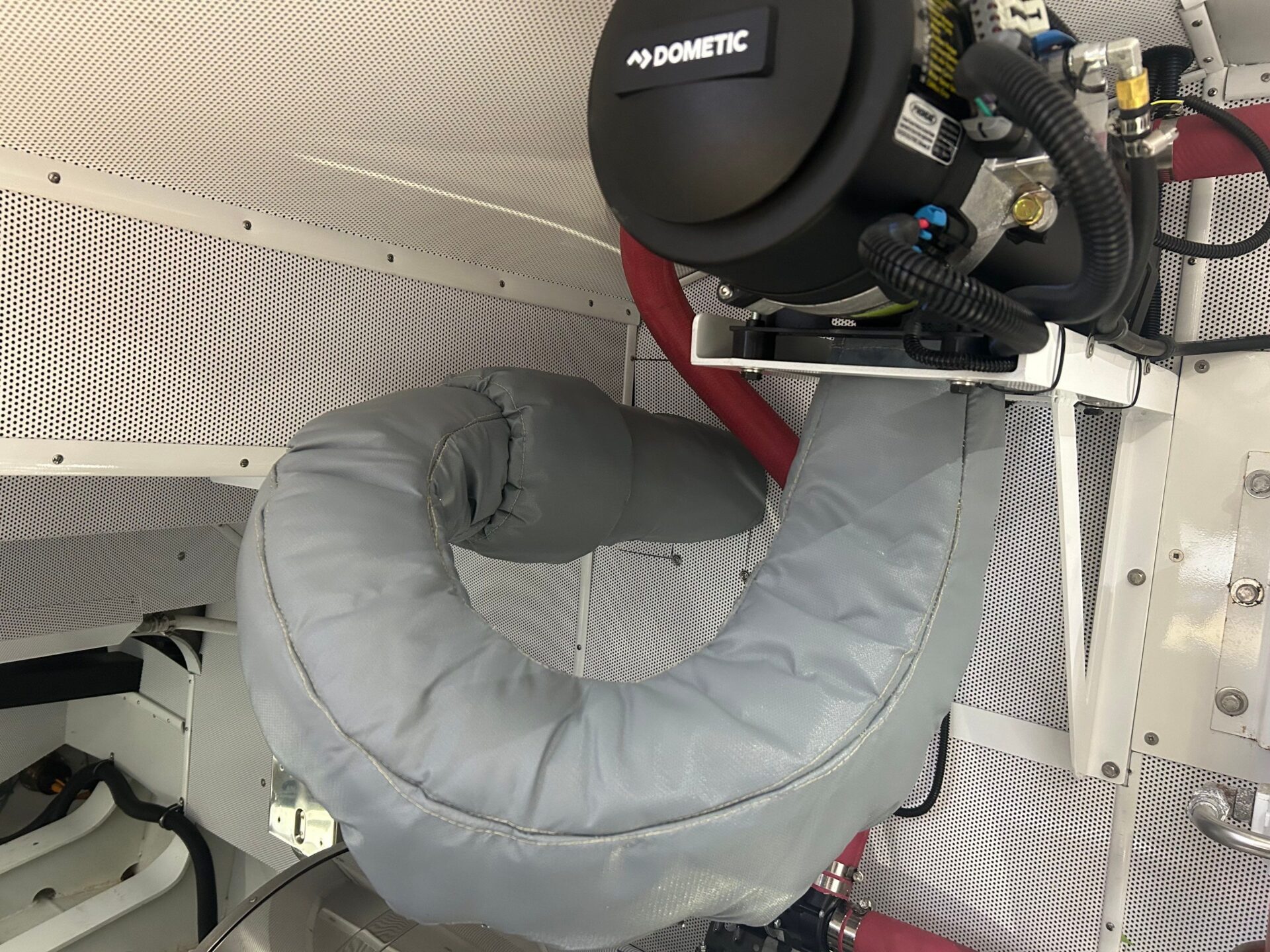
For additional protection, consider insulating or wrapping engines and equipment that are more exposed to temperature swings.
Our team has even fabricated custom wraps and intake covers for engines during the winter months—an effective way to retain warmth and prevent condensation in critical areas.
Why It Matters:
Damp, unheated spaces are prone to mold, mildew and corrosion, which can damage interiors, finishes, and exposed systems. Maintaining stable temperature and humidity protects your boat’s materials, electronics and overall investment throughout the off-season.
Electrical & Battery Care

Disconnect batteries or leave them on a maintenance charger. Check all terminals for corrosion and ensure cables are secure. Turn off nonessential breakers and note any ongoing draws such as bilge pumps or monitoring systems.
Why It Matters:
Dead or corroded batteries are one of the most common reasons boats arrive in the yard with power issues at the start of the season.
Covering & Storage
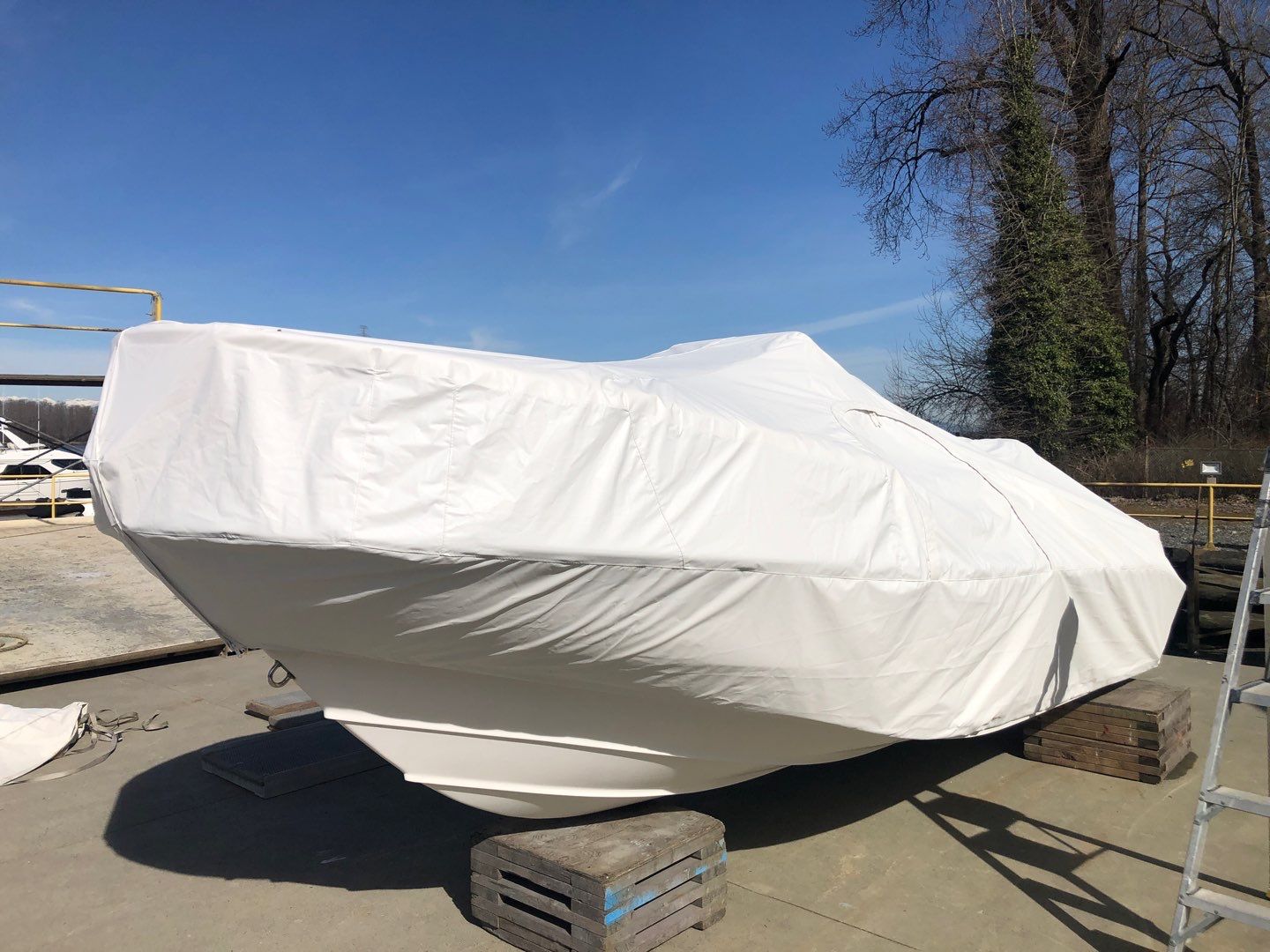
A proper cover is your vessel’s first line of defense against a long, wet winter.
A great option is investing in a professional shrink wrap to ensure a tight seal against moisture—though this can be an expensive choice. A more cost-effective alternative is a breathable, well-fitting cover. While it may still require some upfront cost, it’s a reusable solution that can save time and money over multiple off-seasons.
Before wrapping, inspect supports, vents, and tie-downs to make sure the cover won’t sag or trap moisture. Any pooling water or restricted airflow can lead to mildew, blistering, and deck damage. If shrink-wrapping, ensure vents are installed to release trapped humidity.
Whether you cover with professional shrink wrap, a canvas cover, or indoor storage, the goal is the same: keep water out while allowing air to circulate.
Why It Matters:
A quality cover and proper installation protect your finish, prevent leaks, and save you from unnecessary cleaning and repair work come spring.
Off-Season Maintenance & Monitoring
Winterization is more than just putting the boat to sleep—it’s the ideal time to plan ahead.
As you prepare your vessel for the off-season, do a full walkthrough and note any upcoming maintenance or improvements. Schedule refits, paint, or other work that’s easier to complete while the vessel isn’t in use. Inspections now mean fewer surprises when the weather turns.
If your boat is stored in the water or somewhere you can’t visit often or easily, consider adding remote monitoring for peace of mind. Affordable cameras and smart sensors can track temperature, humidity, and power levels. Some even feature alarms to alert you to leaks or unexpected movement. A local based company we love is BRNKL – a remove vessel security and monitoring system, that lets you view your vessel’s status, location, critical systems and security, with several options to customize based on your needs.
Even some of our team here use their own simple setups with cameras pointed at inexpensive digital gauges for real-time visibility on their personal vessels. It’s an easy, cost-effective alternative that doesn’t require investing in a full marine system.

Why It Matters:
It’s not always easy to keep an eye on your vessel during the off-season, and with how busy the season gets, it’s not always practical either. Staying connected, even from a distance, helps prevent small issues from becoming major repairs, saving you both time and money in the long run. Being proactive with maintenance and monitoring ensures you’re protecting your investment and your schedule.
Final Check
Once your systems are secure, give the entire boat a walkaround. Look for leaks, frayed lines, or signs of wear that could worsen through the winter. Cover or shrink-wrap the vessel properly, ensuring ventilation to prevent condensation buildup underneath.
Take note of the condition of key areas throughout your vessel. Doing so will make it easier come spring to spot any changes or issues that may have developed over the winter and allow you to address them quickly before they become serious concerns.
Ready for the Next Season
A proper winterization doesn’t just prevent damage—it sets you up for a smooth launch. Taking the time to do it right protects your investment and your peace of mind.
Even in our milder West Coast climate, preparation now means fewer headaches and a confident start to the next boating season!
Noticed anything during your Winterization that needs attention?
Contact us to get your service underway and make sure you’re prepared to kick off the next boating season in top condition!
West Bay Shipyards has been helping boat owners on the West Coast—and beyond—for nearly 60 years. Based in Delta, BC, their legacy of building custom, world-class yachts has grown into a full-service shipyard, known for luxury refits, restorations, and repairs. Stay connected with West Bay Shipyards here or on social media for maintenance tips, project inspiration, or to get started on your next project.