

Most overruns don’t come from one major mistake, but rather a series of small, avoidable factors that compound as the project progresses.
Understanding where those risks come from makes it far easier to manage them before they impact your timeline or investment.
Where Refits Tend to Go Off Track
1. The Full Scope Isn't Defined Up Front
A mechanical upgrade might seem straightforward until it requires modifying engine beds, adjusting mounting points, or creating additional access that impacts surrounding structure. Interior work may also depend on electrical routing that hasn’t been finalized, particularly when wiring needs to be run behind finished panels or through cabinetry.
When scope isn’t clearly defined early on, projects tend to evolve mid-stream, which introduces additional labour, materials, and time.
2. Hidden Issues Only Appear Once Work Begins
Corrosion, outdated wiring, or previous repair work can all surface once access is gained. At that point, the project shifts from planned work to necessary work.
These discoveries are often unavoidable, but their impact on the budget depends on how they’re anticipated. Clear communication early on, along with ongoing updates as conditions are uncovered, helps ensure there are no surprises and that decisions can be made with the full picture in mind.

3. Changes During the Project
However, even small changes can have a ripple effect.
A finish upgrade may affect installation time. A layout change may require reworking systems that were already in place.
Ongoing collaboration is an important part of the process, and new ideas are always worth exploring as a project takes shape. But without a structured approach to evaluating those changes, costs and timelines can shift more quickly than expected. Clear communication around scope, timing, and impact helps ensure decisions are made with the full picture in mind.
4. Lack of Coordination Between Trades
That might look like:
- Removing completed work to access another system
- Re-routing components that weren’t accounted for earlier
- Delays while teams wait on one another
These inefficiencies add up quickly, both in time and cost.
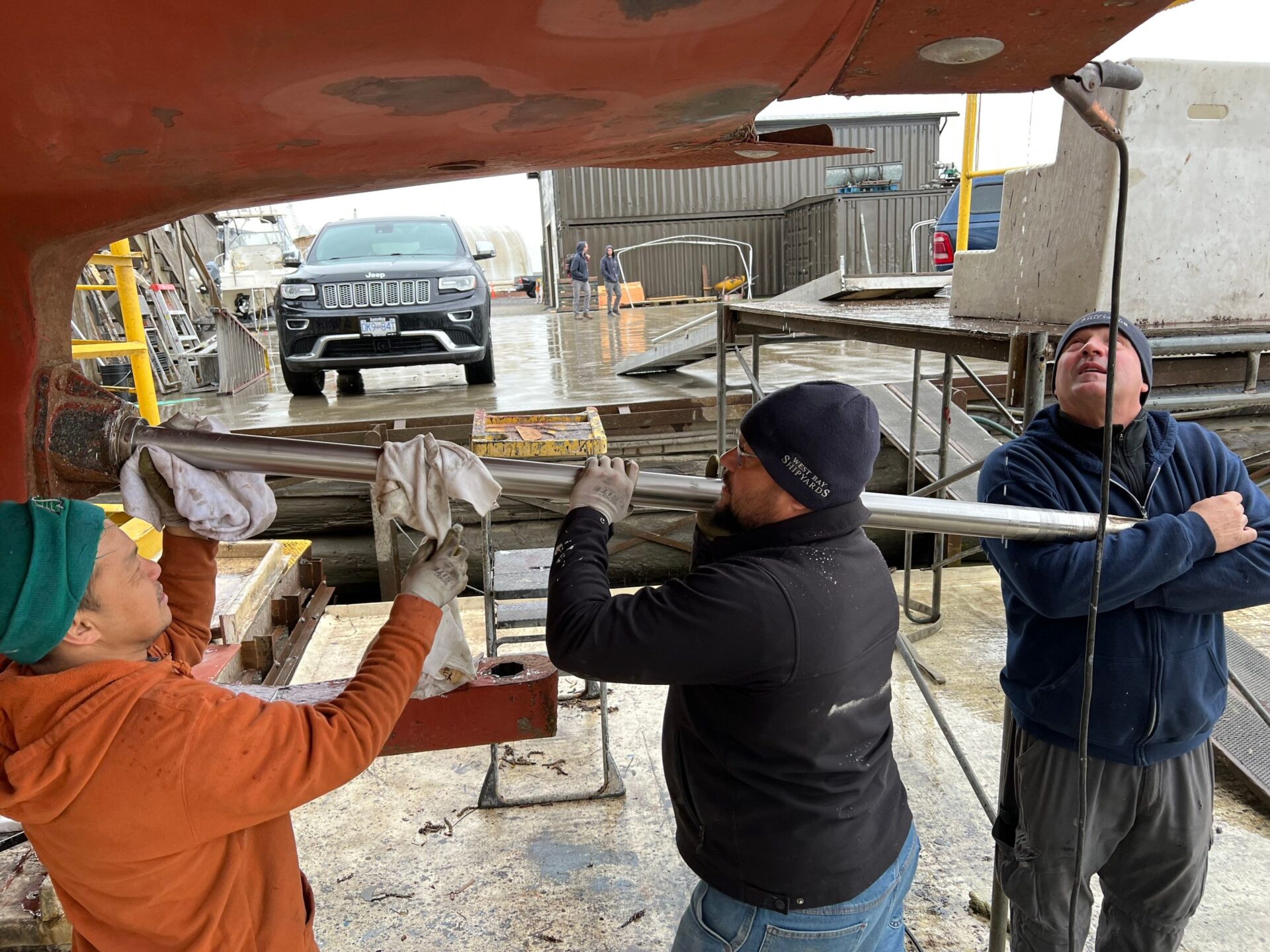
5. Unrealistic Timelines
Rushing decisions early on often leads to revisions later, while compressed schedules can limit opportunities for proper sequencing, inspection, or coordination between trades.
In many cases, trying to save time at the beginning ends up extending the project overall.
What That Looks Like In Practice
Instead it shows up as:
- Incremental changes to labour hours
- Additional materials that weren’t part of the original scope
- Delays that extend time in the yard
- Rework that could have been avoided with earlier coordination
Individually these may seem minor, but together, they push projects beyond their initial budget.
How to Keep a Refit on Budget
Start With a Clearly Defined Scope
This doesn’t mean eliminating every variable or being an expert in the issues you’re experiencing with your vessel. It does mean understanding how different parts of the project connect and where dependencies exist.
A clear scope should be developed during the estimating phase, but asking questions and ensuring you fully understand what’s included and what may evolve can make a meaningful difference as the project moves forward.
Build Contingency
Even with the best planning, unknowns are part of working on existing vessels.
Setting aside contingency in both budget and timeline helps absorb those discoveries without disrupting the overall project or forcing rushed decisions.
Prioritize Communication Early
Clear communication from the outset helps align expectations around scope, sequencing, and decision-making.
It also makes it easier to address issues as they arise, rather than after they’ve already impacted progress.
Manage Changes Deliberately
Changes are a natural part of any refit, but how they’re managed makes a significant difference in how the project unfolds.
A structured approach ensures that any adjustment is evaluated for its impact on cost, timeline, and other areas of the project before moving forward.
Work With a Coordinated Team
When trades are aligned under a single, coordinated process, projects tend to run more efficiently.
Decisions are made with the full picture in mind, and work can be properly sequenced to avoid unnecessary rework or delays.
Final Thoughts
With the right level of planning, coordination, and communication, those risks can be significantly reduced.
You’ll never be able to eliminate every unknown. The goal is to approach the project in a way that keeps those unknowns manageable and allows each step to move forward with confidence.

Budget concerns preventing you from a refit?
If you’re considering a refit, but budgets or other concerns are preventing you from getting started; or you want a clearer understanding of scope, sequencing, and budget before getting started, our team is always available to talk through your project and help you plan the next steps with confidence.