

Not every problem announces itself with an alarm, warning light, or sudden loss of performance.
More often than not, significant repairs begin with something that seems almost too minor to worry about. A small rust stain, a cracked bead of sealant, or a patch of discoloured wood.
On their own, these signs may not seem urgent, but they often provide valuable clues about what’s happening beneath the surface.
Recognizing those clues early can make the difference between a simple repair and a much larger project.
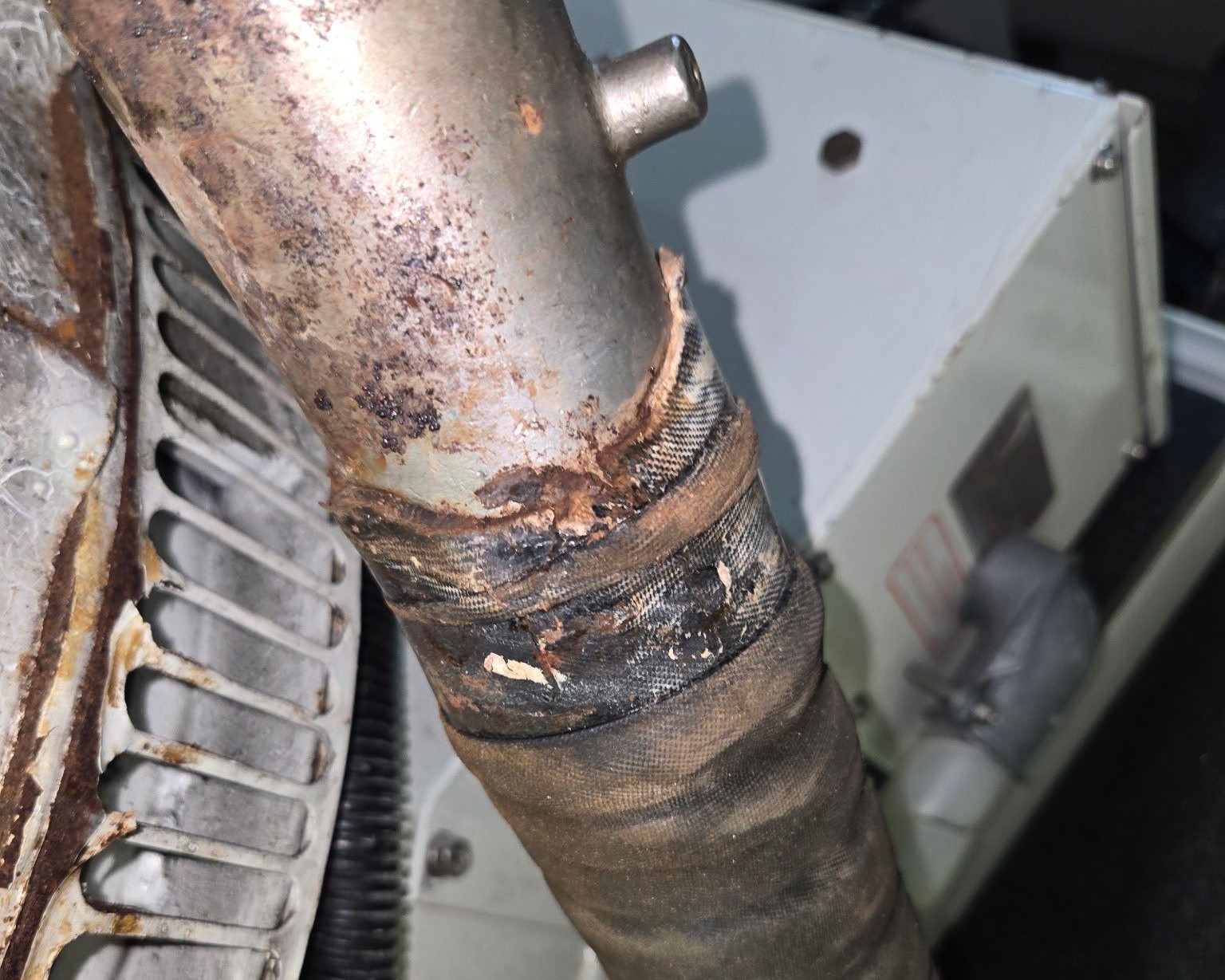
Rust Stains
A rust stain doesn’t always mean the metal you can see is failing.
In many cases, it indicates that moisture has found its way into an area it shouldn’t be, allowing corrosion to develop on hidden fasteners or structural components.
Treating the stain without identifying its source is a bit like painting over a leak in your ceiling. It may improve the appearance temporarily, but it doesn’t solve the underlying problem.
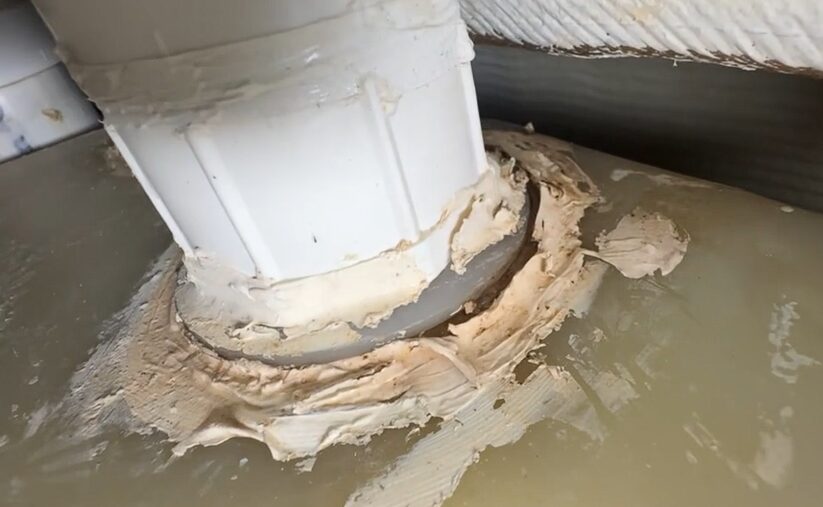
Cracked or Separated Sealant
Sealants don’t last forever.
Constant exposure to sunlight, movement, vibration, and weather gradually causes them to shrink, crack, or separate from the surfaces they’re meant to protect.
Even a small opening can allow water to enter over time.
Regularly inspecting sealant around windows, hatches, deck hardware, and other penetrations can help identify problems before water intrusion occurs.
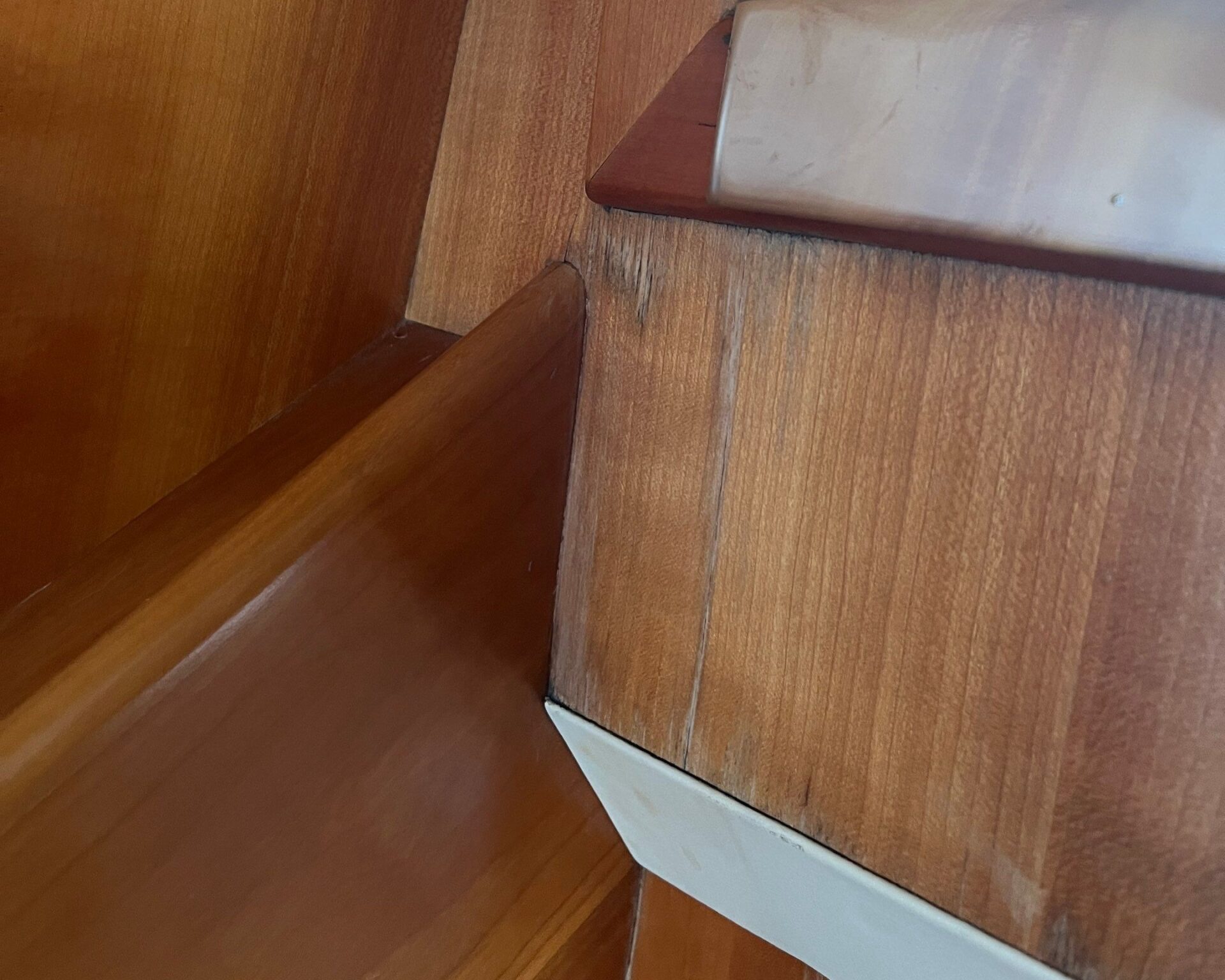
Swollen or Stained Wood
Wood naturally expands and contracts with changes in temperature and humidity, but swelling, soft spots, or discolouration often suggest something more.
Moisture trapped beneath flooring, behind cabinetry, or inside structural components can remain hidden long before visible damage appears.
By the time wood begins to deform, the source of the moisture may have been present for quite some time.
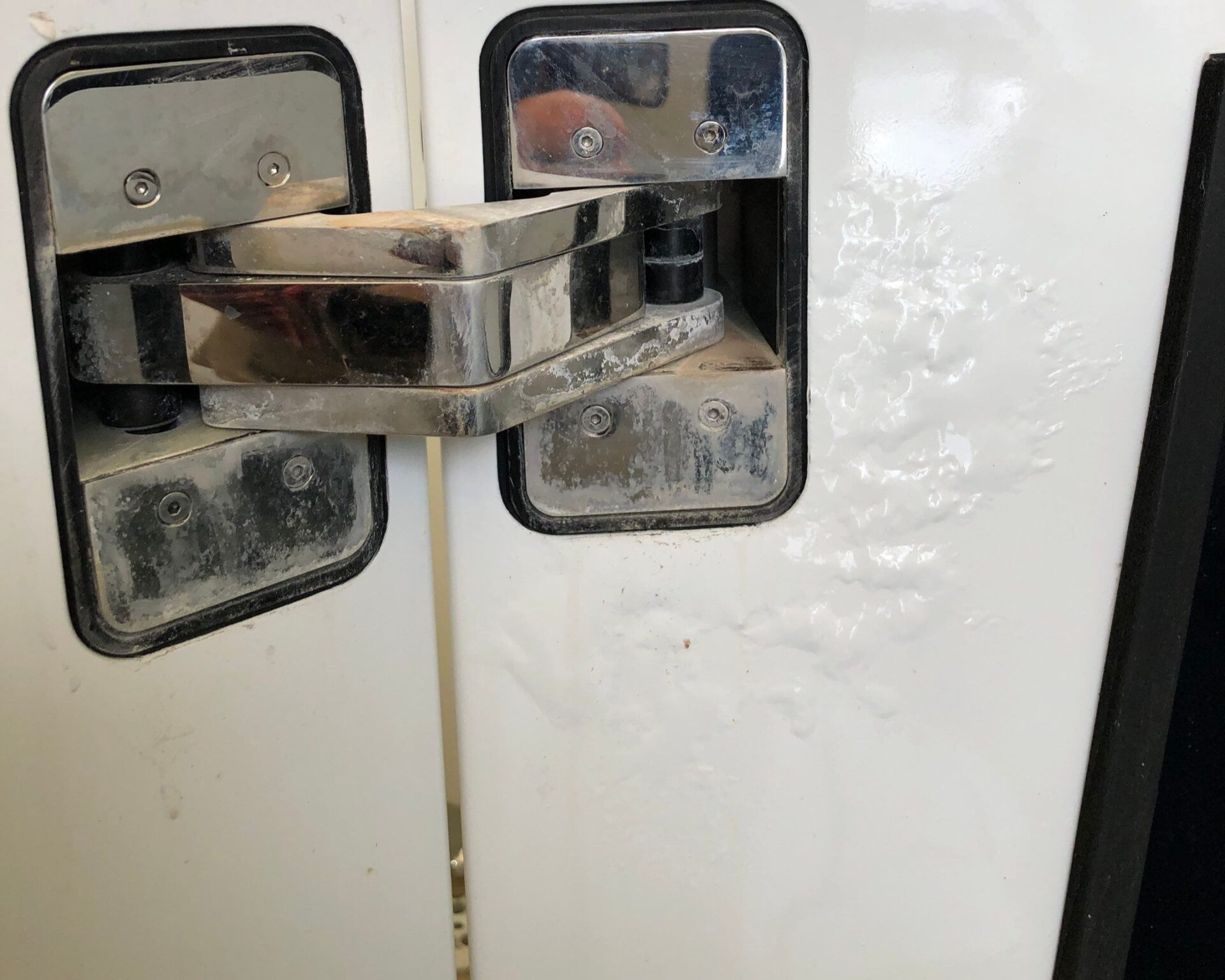
Paint and Gelcoat
Bubbling paint, chalking, cracks, or blistering should always be investigated. Sometimes, they’re simply signs of age and weathering. Other times, they can indicate structural damage beneath the surface.
Trapped moisture, impact damage, or deteriorating materials may be hidden beneath layers of paint and gelcoat, so it’s important to ensure what you’re seeing isn’t a sign of something more significant.
Understanding the difference is an important part of any professional inspection.
Know Your Boat Inside and Out
One of the most valuable habits an owner can develop is simply paying attention to change.
Whether it’s a new stain, a different smell, a crack that wasn’t there last season, or a hatch that’s suddenly harder to close, these are all clues that help build a picture of your vessel’s condition and may identify developing issues much sooner.
The goal isn’t to assume the worst every time you notice something new. It’s to understand when a closer look is worthwhile, or when it’s time to bring your vessel in for a more in-depth inspection.
Looking Ahead
Understanding what to look for is one of the simplest ways to help prevent costly repairs and make the most of your time on the water. Our “Mechanical Matters” series takes a closer look at the systems, warning signs, and common issues we encounter every day in the yard, helping you better understand what your boat may already be trying to tell you. If you’d like to learn more about how to protect your vessel, explore the rest of the series below.
FAQ: Common Damage Indicators on Yachts
Are rust stains on a yacht always a sign of corrosion?
Not always. Rust stains often indicate that moisture has reached a hidden fastener or metal component, but they don’t necessarily mean the visible surface is failing. Identifying where the moisture is coming from is often more important than simply removing the stain.
What causes cracks in boat sealant?
Constant exposure to sunlight, weather, movement, and vibration gradually causes marine sealants to age. Over time they can shrink, crack, or separate from the surfaces they’re designed to protect. This creatse small openings that allow water to intrude. Regular inspections can help identify deteriorating sealant before a leak develops.
Is bubbling bottom paint or gelcoat a structural problem?
Not always. Bubbling, cracking, or blistering can sometimes be caused by normal weathering or ageing. However, they can also indicate trapped moisture, impact damage, or deterioration beneath the surface. Regular inspections and scheduled haul-outs can help identify the underlying cause and ensure any developing issues are addressed before they become more costly repairs.
Why is the wood on my boat swelling or becoming discoloured?
Swollen or stained wood often indicatse that moisture has been trapped beneath the surface for some time. While changes in humidity can affect wood, soft spots, persistent staining, or deformation should be investigated to determine whether water intrustion is present.
Continue Reading: Mechanical Matters Series
What We Look for During a Mechanical Inspection
Learn what experienced technicians are actually looking for during a yacht mechanical inspection and why the small details often matter most.
Hidden Causes of Water Damage on Yachts
Discover how water finds its way into unexpected places, what warning signs to watch for, and how early detection can prevent costly repairs.
Five Warning Signs Your Engine Room Shouldn’t Ignore
Recognize five common signs that something may need attention before a minor issue turns into a major repair.
Small Signs That Can Lead to Expensive Repairs
Explore the subtle clues that can reveal developing problems long before they become obvious—and expensive.
Designing a Boat with Maintenance in Mind
See how thoughtful design and equipment placement can make routine maintenance safer, easier, and more cost effective.
Repair or Upgrade? Knowing When It’s Time to Modernize
Learn how to evaluate whether repairing existing equipment or investing in an upgrade is the better long-term decision for your vessel.