
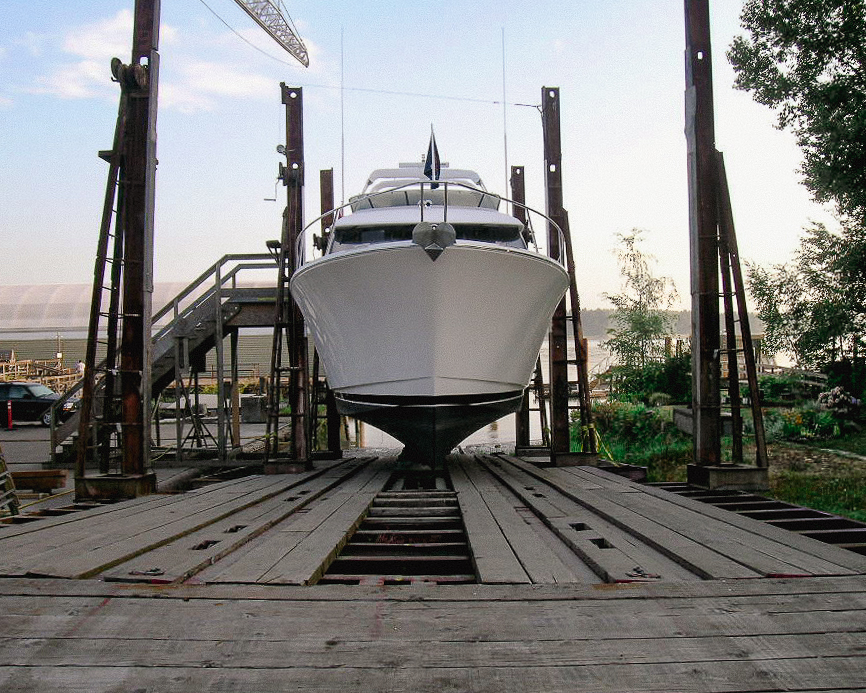
“Will my boat need to be hauled out of the water?”. It’s a common question we get when planning vessel maintenance or repairs. Not every project requires a boat haul-out. The answer depends on the scope of work, the access required, and whether it can be completed safely and effectively while the vessel remains afloat. Many owners are suprised by how much can be accomplished in the water!
When a haul-out is needed, it invovles more than simply bringing the vessel ashore. Preparation, vessel handling, and coordination of the work all form a part of the plan and influence how long the boat needs to remain out of the water.
Below, we explain when a haul-out may be neceessary, what the process invovles, and why timing matters.
What Is a Boat Haul-Out?
A boat haul-out (or haul out) is the process of removing a vessel from the water. This may be done for inspection, maintenance, repairs, storage, or transportation. Depending on the shipyard and the vessel, this may invovle a marine travel lift, crane, or a marine railway system known as “ways”.
At West Bay Shipyards, we use the ways to bring vessels out of the water. Once ashore, the hull and underwater components are accessible for work that would be difficult or impractical to complete afloat.
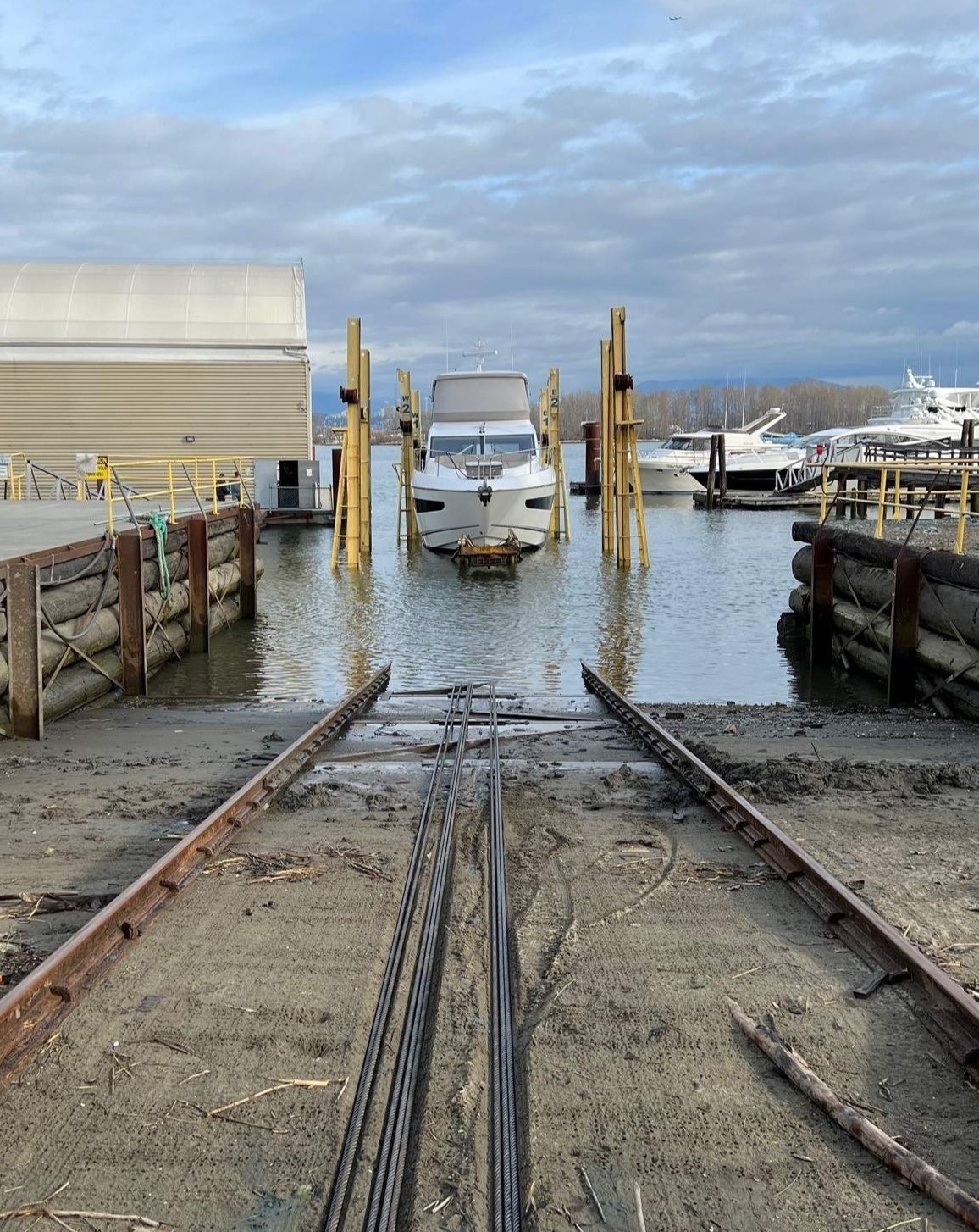
When is a Haul-Out Required?
Many yacht maintenance and repair projects can be completed while the vessel remains in the water. Interior improvements, navigation upgrades, and certain electrical and mechanical repairs may all be possible afloat, provided the team has suitable access and working conditions.
Other projects require the vessel to be brought ashore. Work that requires direct access to underwater surfaces or components typically call for a haul-out. Examples might include:
- Propeller repairs or replacement
- Shaft repairs or replacement
- Rudder repairs or replacement
- Thru-hull work or replacement
- Bottom preparation and antifouling
- Hull repairs (below the waterline)
But location is only part of the decision. Some projects above the waterline may also require a haul-out because of the equipment, access, or handling involved. Removing an engine, for example, may require a crane and suitable positioning ashore. Anchor replacement projects can also require a haul-out to provide the access needed to handle the components safely.
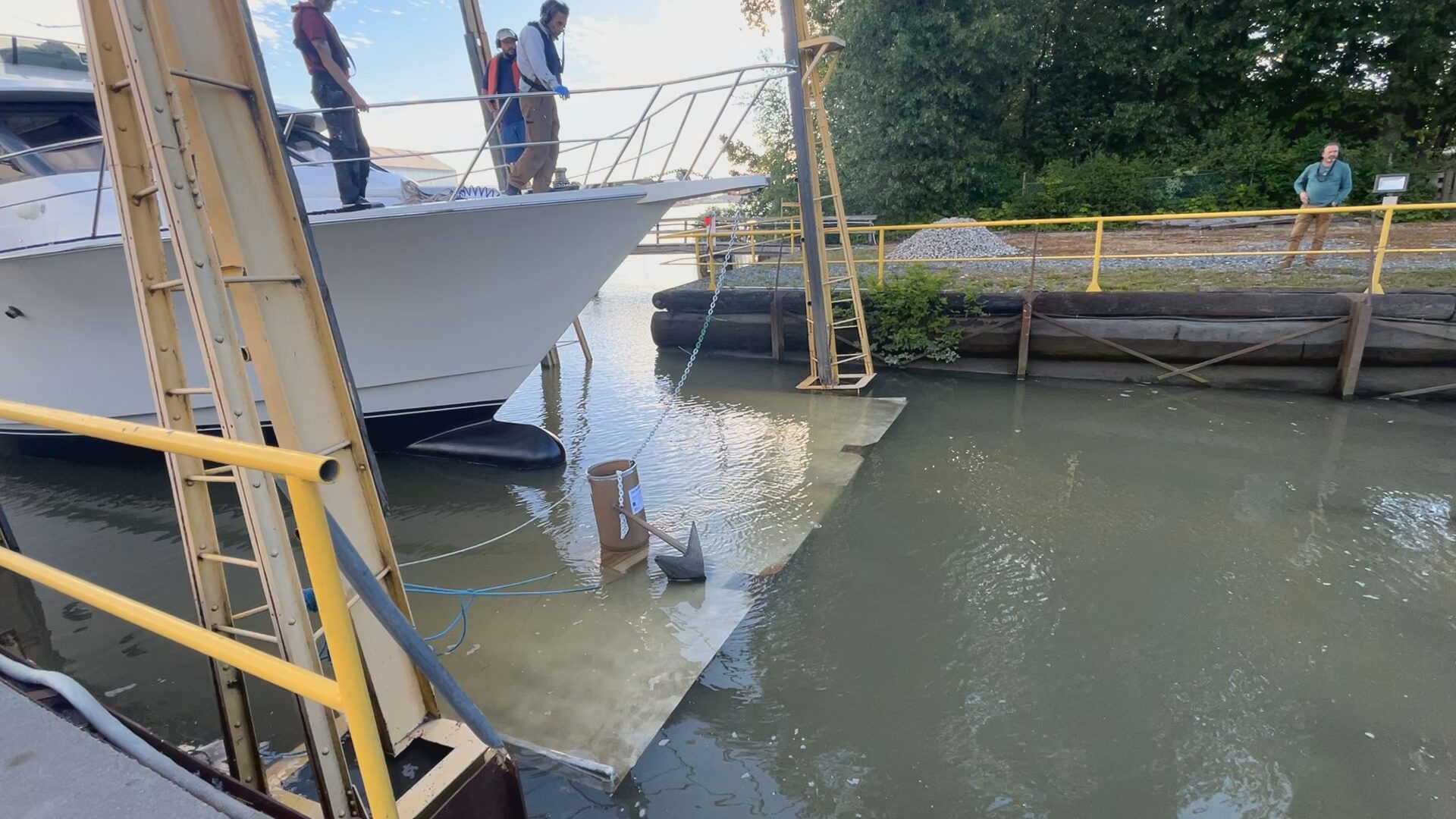
Even within the same type of service, the requirements can differ from one vessel to another. An accessible mechanical component may be serviced in the water, while a larger replacement could require a different approach.
The starting point is the full scope of work. Once we understand what you’re planning, we can assess the vessel’s layout, access requirements, and equipment needs to determine whether a haul-out should be part of the project.
What Does a Haul-Out Involve?
A haul-out involves more than moving a vessel out of the water and supporting it ashore. Before the boat is moved, the team needs to understand its dimension, weight, hull configuration, and any features that affect how it will be handled and supported. The planned work also helps determine where the vessel should be positioned and what access will be needed.
Preparation and Inspection
Once ashore, the next steps depend on the project. For bottom maintenance, washing and removing marine growth help prepare the hull for a closer inspection. Barnacles and buildup can obscure underwater surfaces and components, so cleaning provides a clearer view of their condition before preparation or repairs begin.
That inspection may reveal issues that weren’t visible while the vessel was afloat. If additional work is recommended, the findings can be reviewed with the owner so they understand what’s invovled and how it may affect the scope or schedule.
Work Location and Coordination
For some projects, the vessel may also need to be moved into a shop after the haul-out. Work that requires an enclosed workspace, controlled conditions, or access to particular equipment can involve additional handling and preparation. Where the work will take place is part of the project plan.
Throughout the project, access, equipment, and work between trades need to be coordinated. Before relaunch, the team also needs to confirm that the vessel is ready to return to the water, including and checks appropriate to the work completed.
The haul-out itself is only one stage of the process. The preparation and coordination around it help ensure the vessel is properly supported, the work can be completed effectively, and the return to the water is well planned.
Does Timing Matter for Haul-Outs?
When planning a haul-out, the timing should account for both the work your vessel needs and when you want to be back on the water. Yard availability is one consideration, but parts, materials, equipment, weather, and coordination between trades can also influence the schedule.
Working Conditions and Seasonal Planning
Some work depends on suitable conditions. Paint, antifouling, and certain fiberglass repairs have temperature, moisture, and curing requirements that need to be considered when planning the project. The time spent ashore includes preparation and curing, as well as the work itself.
Fall and winter can provide an opportunity to address maintenance or plan larger projects ahead of the next boating season, but it’s also one of the busiest times for many shipyards. Starting the conversation early gives the yard time to assess the scope, coordinate resources, and identify parts or materials that may need to be ordered.
Allowing for Inspection Findings
It also helps to allow some flexibility for inspection findings. Once the hull is cleaned and underwater components are accessible, the team may identify repairs that weren’t appartent beforehand. A schedule that leaves room to assess and discuss those findings makes it easier to decide how to proceed.
Multiple Haul-Outs
Some projects may invovle more than one haul-out. A vessel might return to the water for testing or sea trials before coming ashore agaain for further work or adjustments. Other projects may be completed in stages, with time afloat between them. When multiple haul-outs are anticipated, their timing and purpose form part of the overall schedule.
Making Use of Time Ashore
Where practical, it’s also worth considering other work that could be completed during the same haul-out. If the vessel is coming ashore for antifouling, for example, it may be a good time to inspect other underwater components or address known repairs while access is available.
If you have a firm date for a trip or need the vessel back in service, share it at the outset. Planning around that date helps establish a realistic schedule and determine what can be acomplished within the available time.
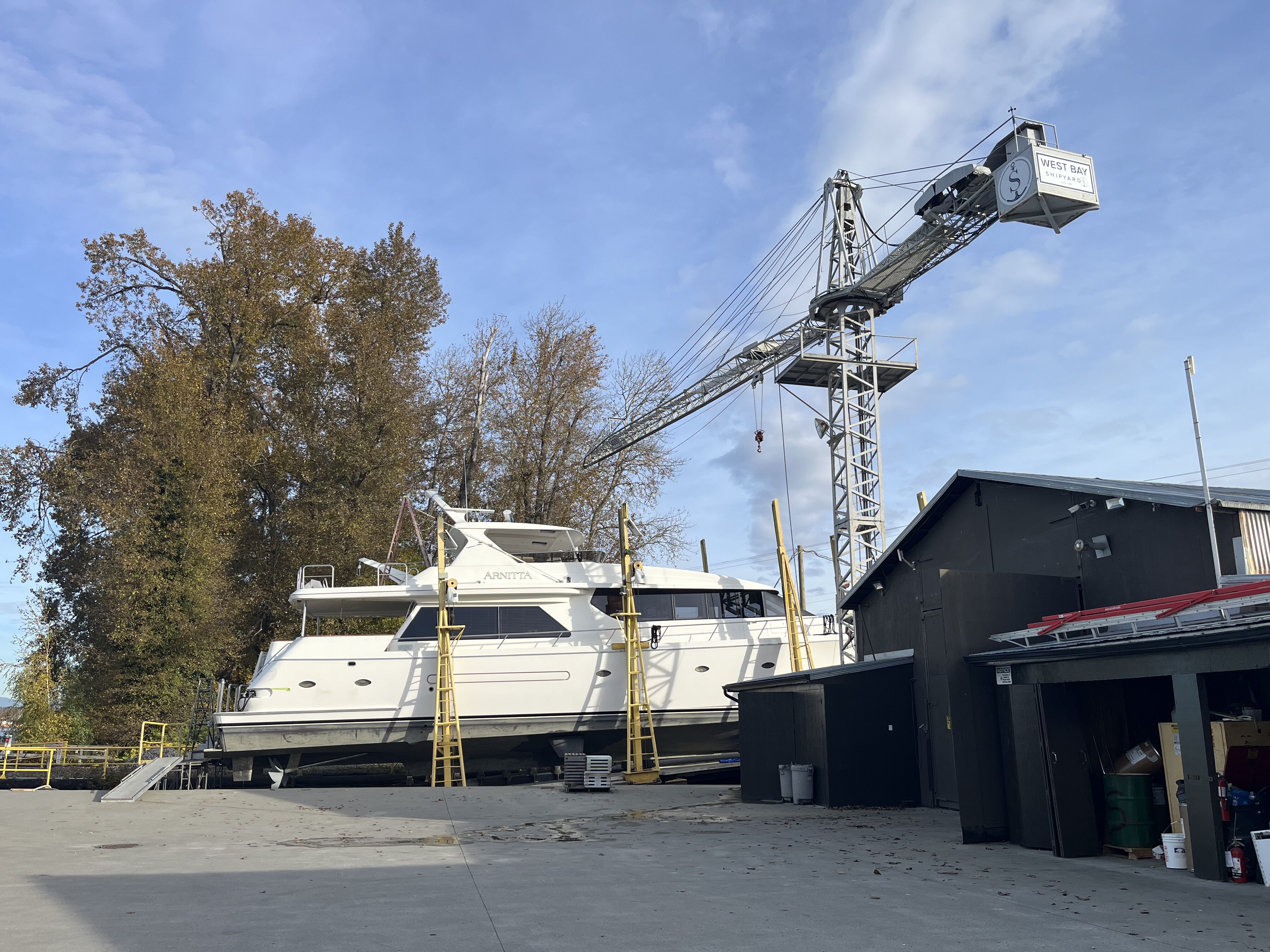
Before You Book: What To Discuss with Your Shipyard
- The work you have in mind: Include repairs, maintenance, and upgrades you’re considering, even if you’re unsure whether they can be completed together.
- Known issues or symptoms: Describe what you’ve notice, where it occurs, and when. Photos, service records, or previous inspection findings can provide useful context.
- The vessel’s last haul-out: Share when it was last ashore and what work was completed, if known.
- Other items worth checking: Mention any underwater components or concerns you’d like assessed while the vessel is accessible.
- Your preferred timing: Let the yard know about upcoming trips or a date when the boat needs to be back in service.
These details help establish the scope, identify what needs further assessment, and determine whether a haul-out should be included. From there, the team can discuss access requirements, scheduling, and next steps with you.
Start with the Work Your Vessel Needs
Whether your project can be completed afloat or requires time ashore, the starting point is understanding the work invovled. Access, equipment, working conditions, and scheduling all help determine the right approach for your vessel.
Planning ahead gives you time to discuss those requirements with the yard and establish a realistic scope and schedule. It also creates an opportunity to consider other maintenance or repairs while the vessel is accesssible.
FAQ: Boat Haul-Outs
Does every boat repair require a haul-out?
No. Many interior, electrical, navigation, and mechanical projects can be completed while the boat remains in the water. A haul-out is needed when the work requires access or conditions that cannot be provided safely and effectively afloat.
Can mechanical work be completed while a boat is in the water?
Yes. Many mechanical maintenance and repair tasks can be completed afloat when the components are accessible from inside the vessel. Work involving underwater components or removing large equipment, such as an engine, may require a haul-out. The vessel’s layout and the specific task determine the approach.
How long does a haul-out take?
The haul-out operation itself is only one part of the schedule. How long your boat remains ashore depends on the scope of work, preparation, curing times, parts availability, and any additional repairs identified during inspection. Your shipyard can provide an estimated timeline once the project requirements have been assessed.
What maintenance can be combined during a haul-out?
Bottom preparation and antifouling can often be coordinated with inspections of the underwater hull, propellers, shafts, rudders, through-hulls, and sacrificial anodes. Any repairs or replacements depend on their condition and the agreed scope. Discussing these items beforehand helps the yard plan the work while access is available.
Can I stay aboard my boat while it's hauled out?
Staying aboard depends on the shipyard’s policies and the work underway. Access restrictions, available utilities, and the condition of onboard systems can affect whether it is permitted or practical.
At West Bay, we don’t recommend staying aboard while the vessel is hauled out. Our ways support the vessel at an angle, which can make onboard accommodation uncomfortable. Scaffolding is also often required to access the vessel at a considerable height.
For clients who need to stay aboard during their project, we work to schedule haul-outs around periods when they can be off the vessel or arrange to complete work afloat wherever possible.
Confirm arrangements with the yard before your haul-out and plan alternative accommodation if needed.
Planning maintenance, repairs or upgrades?
Talk to the West Bay Shipyards team about your vessel and the work you have in mind. We’ll help determine whether a haul-out is needed, and plan the next steps with you.