
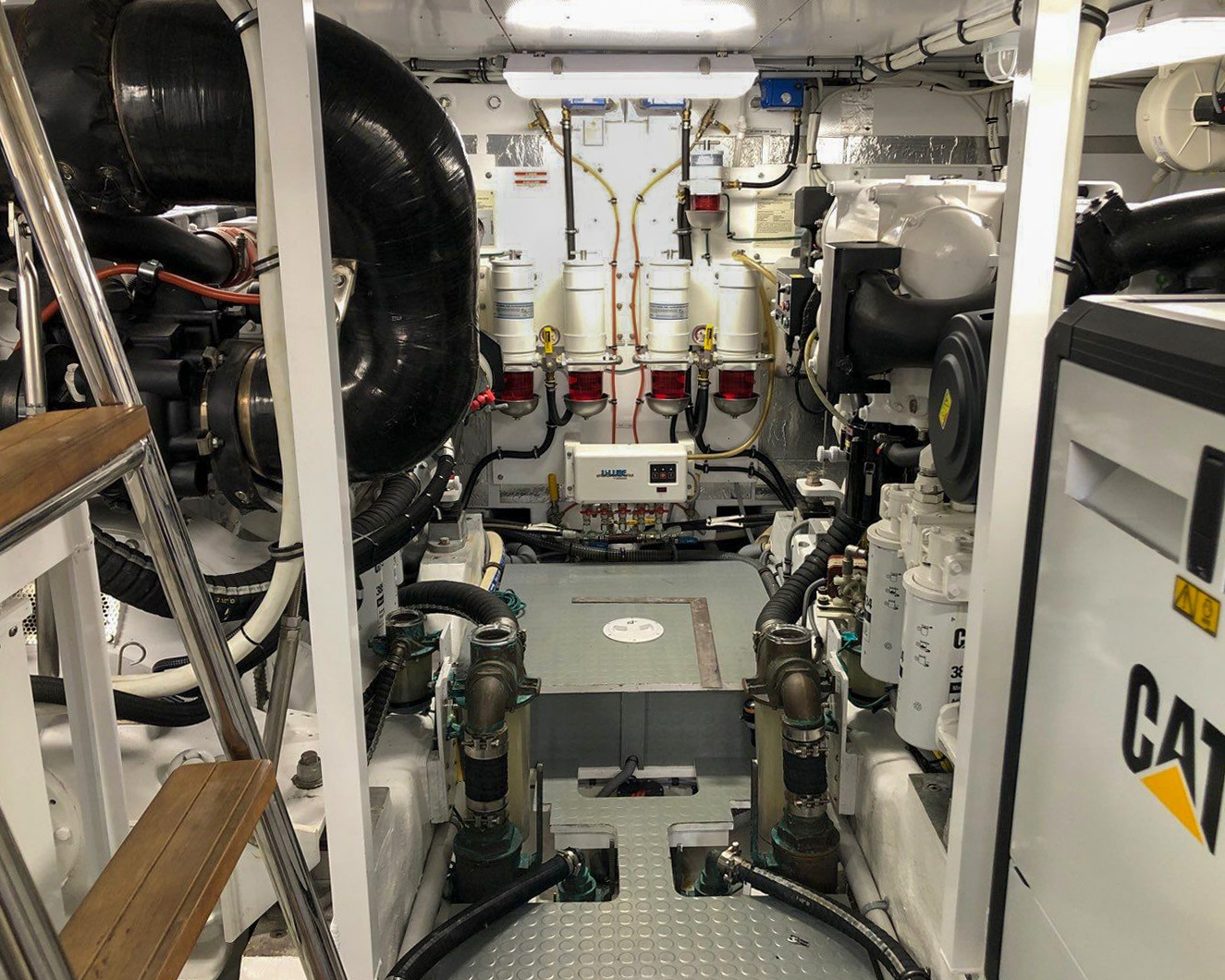
When planning a refit or upgrading onboard systems, it’s natural to focus on appearance, performance, or adding new features. But one consideration that’s often overlooked is serviceability.
Can equipment be accessed without dismantling half the engine room?
Can filters be changed without removing surrounding components?
Can routine maintenance be completed efficiently and safely?
These are the kinds of questions that pay dividends long after a project is complete.
Accessibility Matters
Even the highest-quality equipment requires routine maintenance.
Unfortunately, many systems are installed in ways that make simple servicing unnecessarily difficult. Components may be tucked behind bulkheads, mounted against other equipment, or positioned where routine inspections become frustrating and time-consuming.
Thoughtful layouts make future maintenance easier, not only for technicians, but for owners who want to better understand their vessel.
Design for the Next Service
One of the best design philospies is to think beyond the installation itself.
Insetead of asking, “How do we fit this here?”
Ask:
“How will this be serviced five years from now?”
Simple decisions, such as allowing room to access filters, route hoses cleanly, or remove equipment without disassembling surrounding systems, can significantly reduce future labour and downtime.
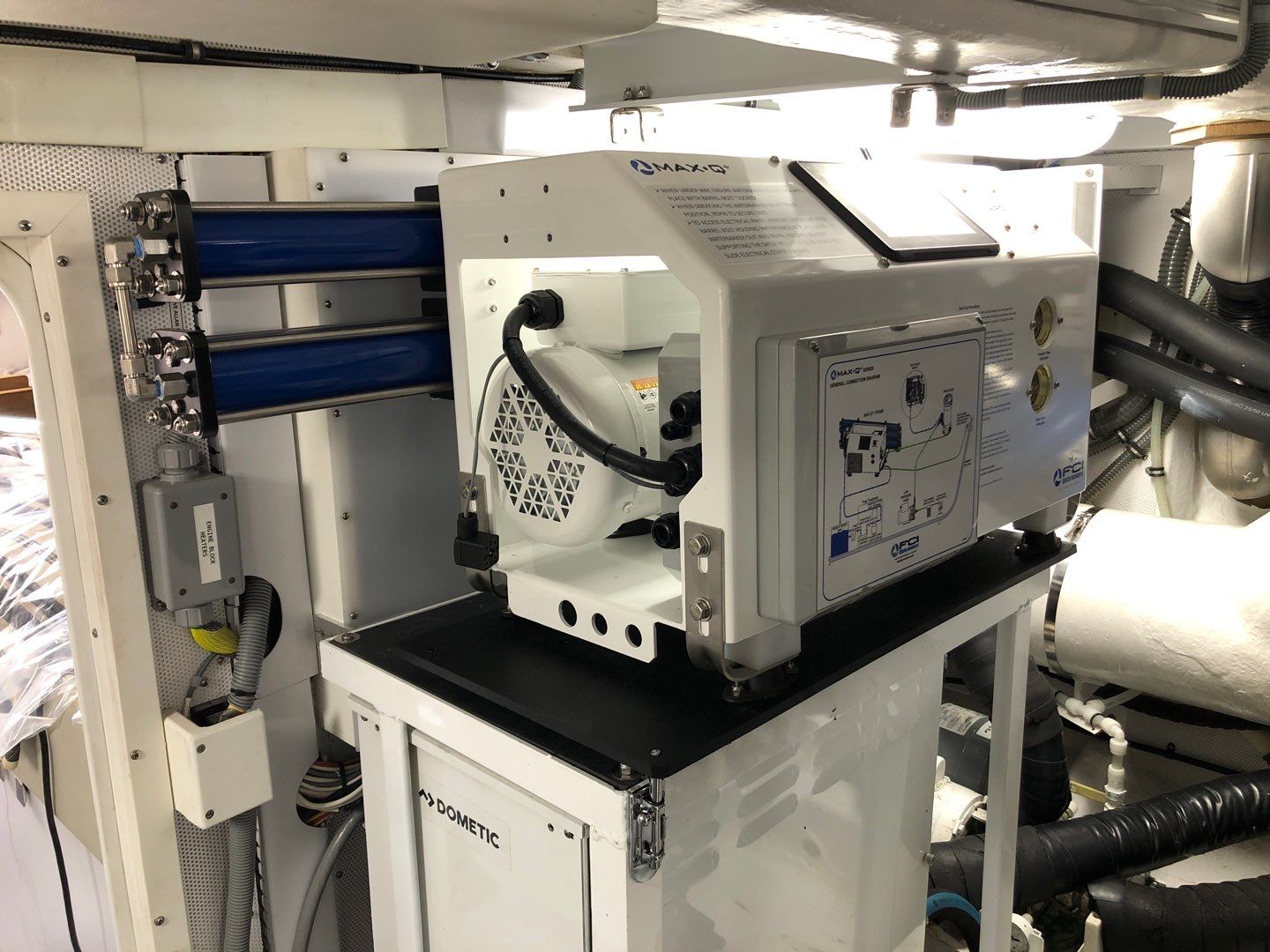
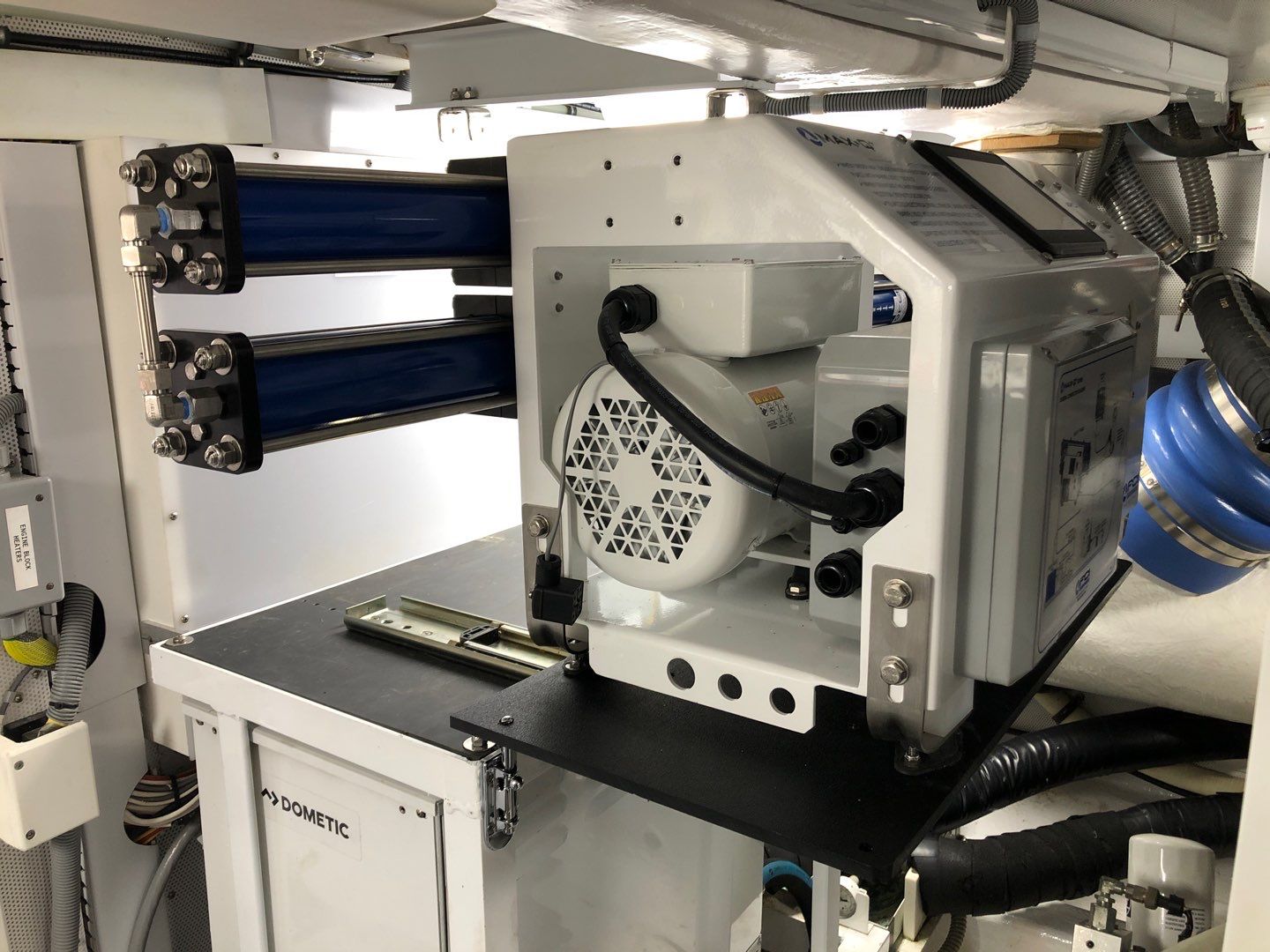
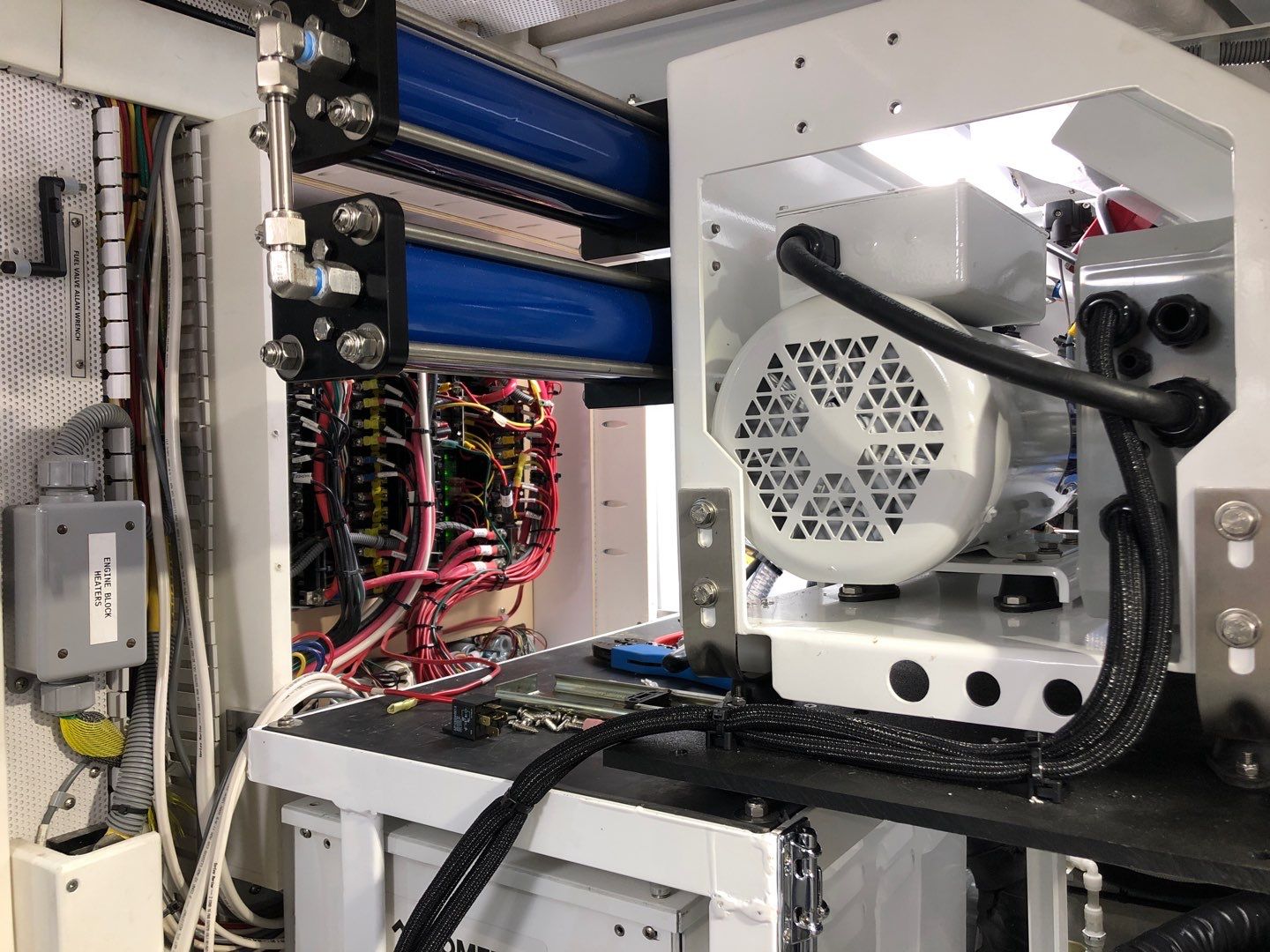
For example, we mounted this water maker on slide rails rather than fixing it permanently in place. The design allows the entire system to slide forward, providing easy access for membrane replacement and the electrical behind it. It’s a small detail that makes routine servicing far simpler throughout the life of the system.
Small Improvements Can Make Big Differences
Sometimes, relatively small changes can dramatically improve reliability and serviceability.
Some examples include:
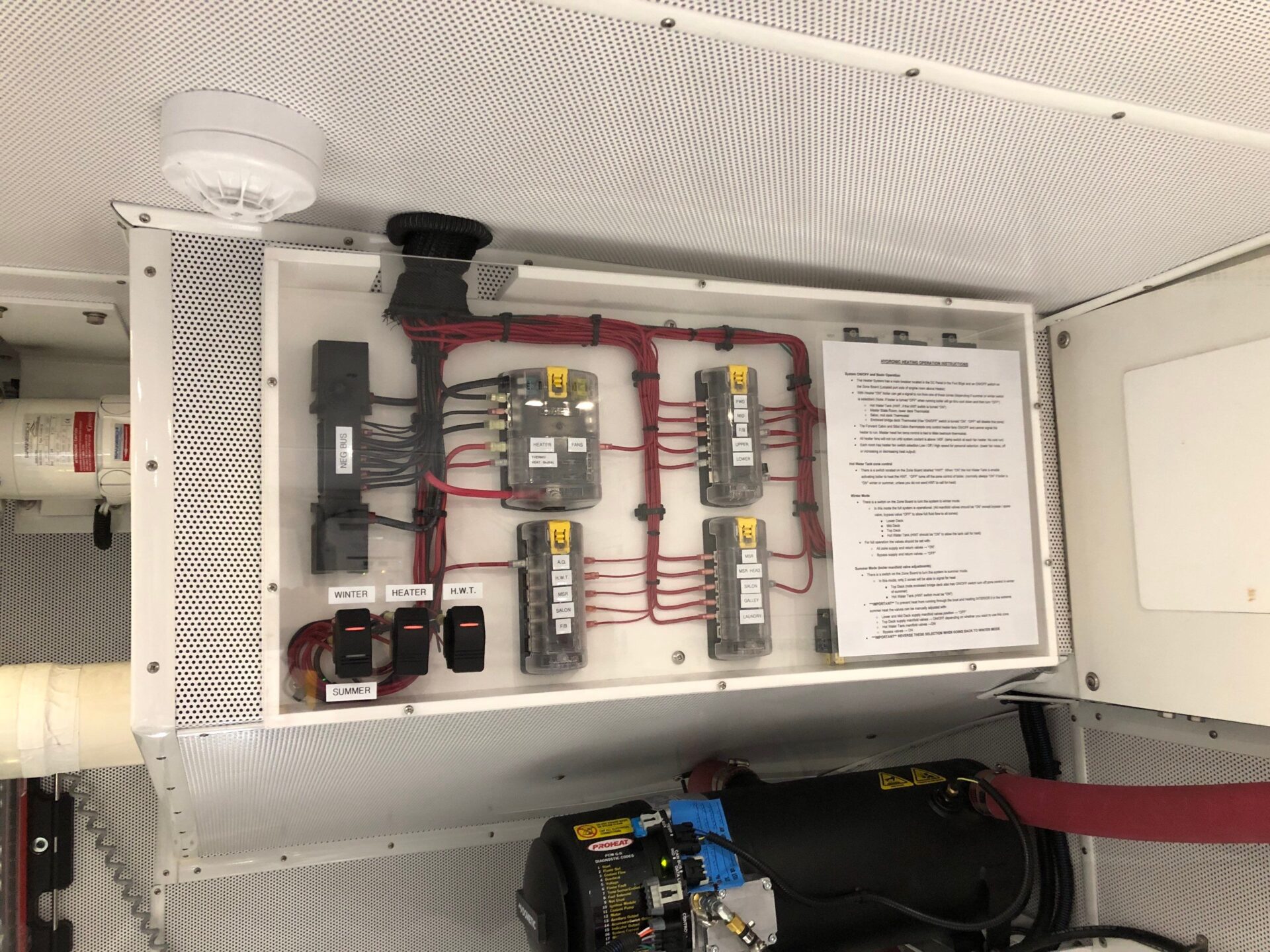
- Mounting equipment for easier access
- Improving hose routing
- Replacing obsolete components with modern alternatives
- Installing stronger, longer-lasting hardware where appropriate
- Improving access to valves, pumps, and electrical components
These upgrades may not always be the most visible, but they often provide lasting value throughout the life of the vessel.
Planning Ahead Saves Time Later
During a refit or any upgrade, it’s often worth considering whether existing systems could be made easier to access before everything is reassembled.
For example, adding an inspection panel today may eliminate hours of labour during future servicing.
Likewise, choosing components with readily available replacement parts can simplify maintenance for years to come.
These decisions don’t always receive the same attention as new finishes or electronics, but they can have a significant impact on long-term ownership.
Good Design Supports Good Maintenance
Maintenance will always be part of owning a vessel.
Good design doesn’t eliminate that responsibility—it simply makes it easier.
When systems are accessible, components are thoughtfully installed, and future servicing is considered from the beginning, routine maintenance becomes more efficient, inspections become more thorough, and small problems are easier to identify before they become major repairs.
Ultimately, thoughtful design isn’t just about how a boat looks on launch day. It’s about how well it continues to serve its owner for years to come.
Looking Ahead
Understanding what to look for is one of the simplest ways to help prevent costly repairs and make the most of your time on the water. Our “Mechanical Matters” series takes a closer look at the systems, warning signs, and common issues we encounter every day in the yard, helping you better understand what your boat may already be trying to tell you. If you’d like to learn more about how to protect your vessel, explore the rest of the series below.
FAQ: Yacht Refits for Serviceability
What does serviceability mean on a yacht?
Serviceability refers to how easily equipment and systems can be inspected, maintained, repaired, or replaced. Good serviceability may include adequate working space around equipment, accessible filters and valves, removable panels, and layouts that don’t require unrelated components to be dismantled for routine service.
Does poor equipment access increase yacht maintenance costs?
It can, yes. When technicians need to remove cabinetry, surrounding equipment, panels, or other components simply to reach something that requires service, a relatively straightforward job can require significantly more labour. Designing for accessibility can help reduce unnecessary service time and downtime.
What systems should I consider improving access to during a yacht refit?
Frequently serviced equipment is a good place to start, including filters, pumps, valves, electrical components, plumbing connections, watermakers, batteries, and other equipment that requires routine inspection or eventual replacement. The best opportunities will depend on the vessel’s existing layout and systems.
Continue Reading: Mechanical Matters Series
What We Look for During a Mechanical Inspection
Learn what experienced technicians are actually looking for during a yacht mechanical inspection and why the small details often matter most.
Hidden Causes of Water Damage on Yachts
Discover how water finds its way into unexpected places, what warning signs to watch for, and how early detection can prevent costly repairs.
Five Warning Signs Your Engine Room Shouldn’t Ignore
Recognize five common signs that something may need attention before a minor issue turns into a major repair.
Small Signs That Can Lead to Expensive Repairs
Explore the subtle clues that can reveal developing problems long before they become obvious—and expensive.
Designing a Boat with Maintenance in Mind
See how thoughtful design and equipment placement can make routine maintenance safer, easier, and more cost effective.
Repair or Upgrade? Knowing When It’s Time to Modernize
Learn how to evaluate whether repairing existing equipment or investing in an upgrade is the better long-term decision for your vessel.