
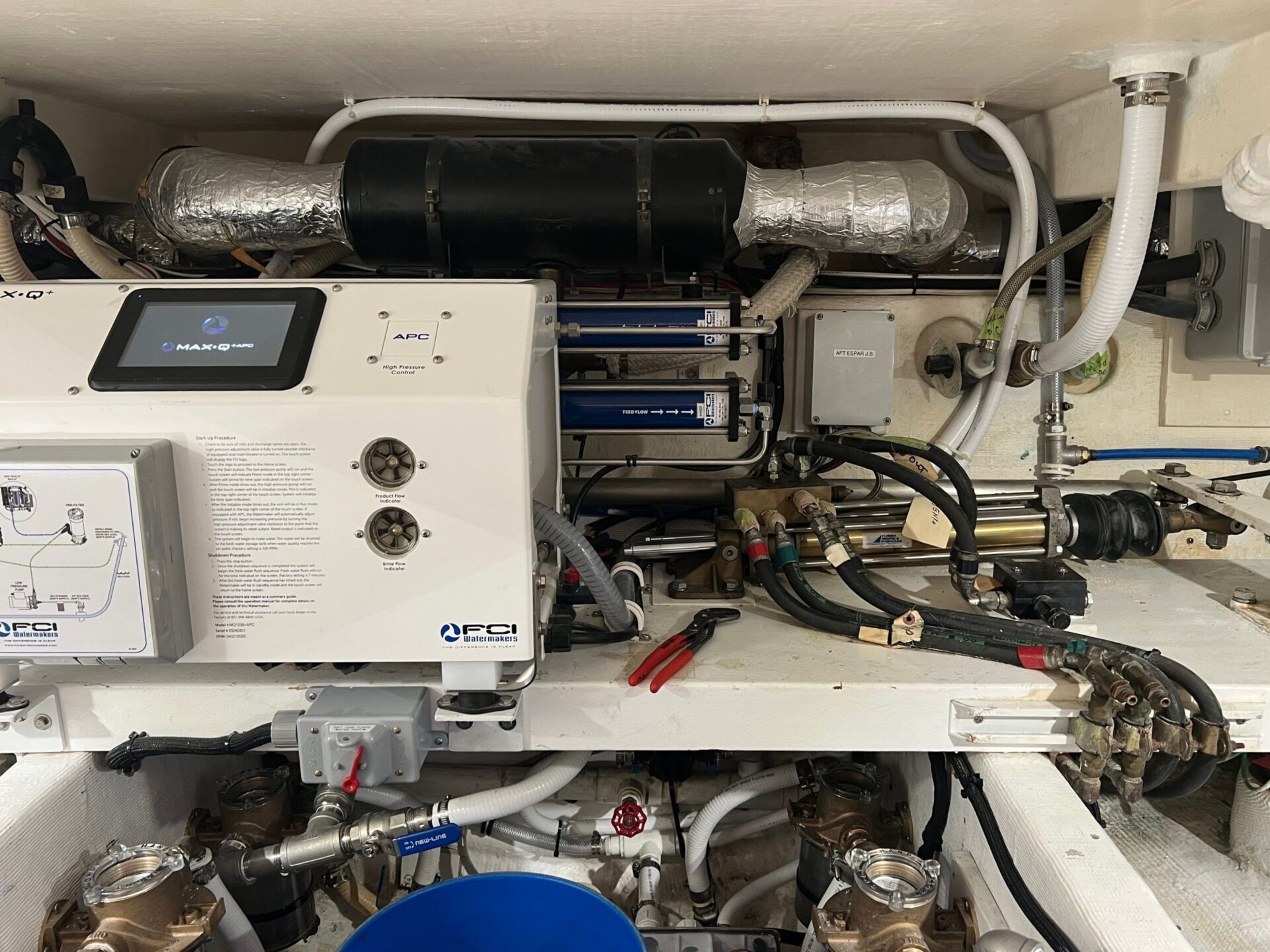
Not every repair needs to be come an upgrade.
Likewise, not every ageing component is worth repairing.
One of the most common questions owners face is whether to repair what’s already there or invest in a modern replacement. The answer isn’t always straightforward, and it depends on much more than the condition of a single part.
A thoughtful decision considers reliability, serviceability, long-term ownership costs, and how you use your vessel.
When a Repair Makes Sense
In many cases, repairig an existing component can be a practical solution.
If replacement parts are readily available, the equipment is performing reliably, and the repair restores it to good working order, there may be little reason to replace the entire system.
Equipment shouldn’t be replaced simply because it’s old, but rather based on its ability to continue operating safely and reliably after the repair.
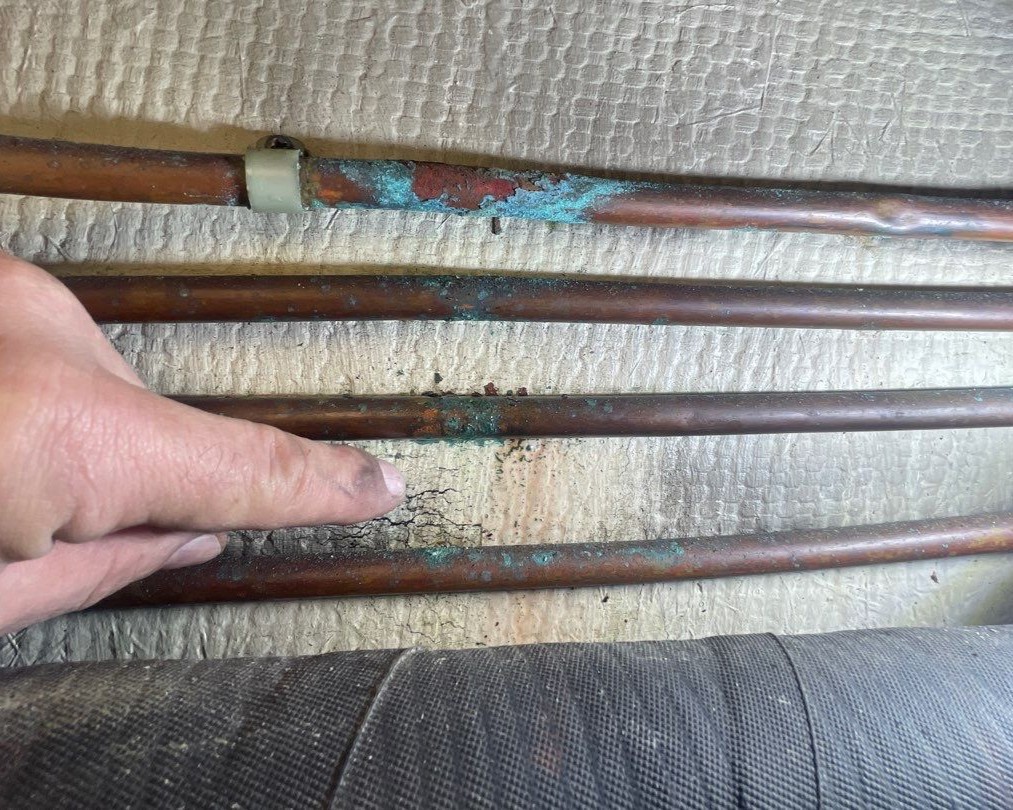
EXAMPLE FROM THE YARD
Deterioration along sections of these copper steering lines was causing a loss of hydraulic fluid and pressure. An issue like this prompts a closer inspection to determine whether the rest of the steering system remains serviceable, reliable, and supported by available replacement parts. If it does, repairing the affected piping may be a more practical solution than replacing the entire system.
When It's Time to Consider an Upgrade
Sometimes, replacing a component offers greater long-term value than continuing to repair it.
This is especially true when parts become difficult to source, repairs become increasingly frequent, or newer technology offers meaningful improvements in reliability, efficiency, or safety.
Upgrading shouldn’t be about simply having the “latest and greatest”. A practical upgrade can reduce future maintenance, improve dependability, and make ownership more enjoyable.
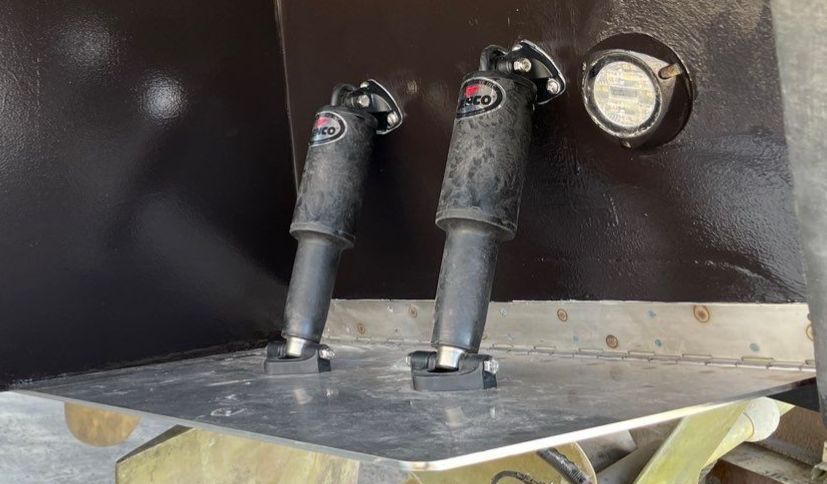
EXAMPLE FROM THE YARD
As marine systems age, replacement parts become increasingly difficult (or impossible) to source. We’ve encountered this with older trim tab systems, where replacement rams are no longer readily available for many vessels in certain classes.
Rather than continuing to rely on increasingly difficult-to-source components, these systems can be converted to electric Lenco trim tabs with trim indicators. In addition to improving future serviceability and parts availability, the upgrade provides modern features such as automatic retraction when the ignition is turned off, and can help reduce marine growth on the actuators.
Looking Beyond the Initial Cost
The least expensive option today, isn’t always the least expensive option over the life of your vessel.
Repeated repairs, additional labour, and ongoing downtime can quickly outweigh the cost of a well-planned upgrade.
Considering the total cost of ownership, not just the immediate invoice, often provides a clearer picture of which option delivers the greatest long-term value.
Every Vessel Is Different
There isn’t a universal answer to every repair decision.
The age of the vessel, how often it’s used, the availability of replacement parts, and the owner’s long-term plans all influence the best course of action.
For some, preserving the original equipment is important. For others, modernizing systems improves reliability, and simplifies future maintenance.
A professional assessment helps weigh those factors before making a decision.
Making the Right Decision
The best decisions are informed ones.
Understanding the condition of your vessel, the expected lifespan of its systems, and the benefits of modern alternatives allows you to prioritie upgrades where they’ll have the greatest impact.
Sometimes that means repairing what’s already there. Other times, it means planning for an upgrade during your next haul-out or refit.
Either way, the goal remains the same: making decisions that support safe, reliable, and enjoyable time on the water.
Looking Ahead
Understanding what to look for is one of the simplest ways to help prevent costly repairs and make the most of your time on the water. Our “Mechanical Matters” series takes a closer look at the systems, warning signs, and common issues we encounter every day in the yard, helping you better understand what your boat may already be trying to tell you. If you’d like to learn more about how to protect your vessel, explore the rest of the series below.
FAQ: Repair vs. Upgrade Yacht Systems
Is it worth upgrading older systems on a yacht?
It can be, particularly when an older system has become unreliable, difficult to service, or dependent on obsolete parts. An upgrade may also be worthwhile when newer equipment offers meaningful improvements in safety, reliability, efficiency, or ease of maintenance. The condition of the existing system and the owner’s long-term plans for the vessel should both be considered.
When should marine equipment be replaced instead of repaired?
Replacement may make more sense when parts are difficult to source, repairs are becoming increasingly frequent, or the equipment can no longer be serviced reliably. Comparing the expected cost and lifespan of a repair against a replacement can help determine which option provides better long-term value.
Can obsolete yacht equipment still be repaired?
Sometimes. When original parts or manufacturer support are no longer available, an experienced shipyard may be able to find compatible alternatives, adapt existing components, or fabricate a custom solution. These options can extend the life of older equipment, but they may also require additional labour, specialized expertise, and custom fabrication. The feasibility and cost of keeping an obsolete system operational should be weighed against the long-term reliability and serviceability of upgrading it.
Is it better to upgrade yacht systems during a refit or haul-out?
When possible, coordinating upgrades with an existing refit or haul-out can be beneficial. Access may already be available, related systems can be evaluated at the same time, and work can often be planned together to minimize future disruption and downtime.
Which yacht systems are commonly upgraded as vessels age?
Navigation and electronics, electrical systems, steering components, pumps, windlasses, monitoring systems, and other ageing or obsolete equipment are common candidates. However, age alone doesn’t determine whether a system needs replacement—its condition, reliability, parts availability, and suitability for how the vessel is used are more important.
Continue Reading: Mechanical Matters Series
What We Look for During a Mechanical Inspection
Learn what experienced technicians are actually looking for during a yacht mechanical inspection and why the small details often matter most.
Hidden Causes of Water Damage on Yachts
Discover how water finds its way into unexpected places, what warning signs to watch for, and how early detection can prevent costly repairs.
Five Warning Signs Your Engine Room Shouldn’t Ignore
Recognize five common signs that something may need attention before a minor issue turns into a major repair.
Small Signs That Can Lead to Expensive Repairs
Explore the subtle clues that can reveal developing problems long before they become obvious—and expensive.
Designing a Boat with Maintenance in Mind
See how thoughtful design and equipment placement can make routine maintenance safer, easier, and more cost effective.
Repair or Upgrade? Knowing When It’s Time to Modernize
Learn how to evaluate whether repairing existing equipment or investing in an upgrade is the better long-term decision for your vessel.