
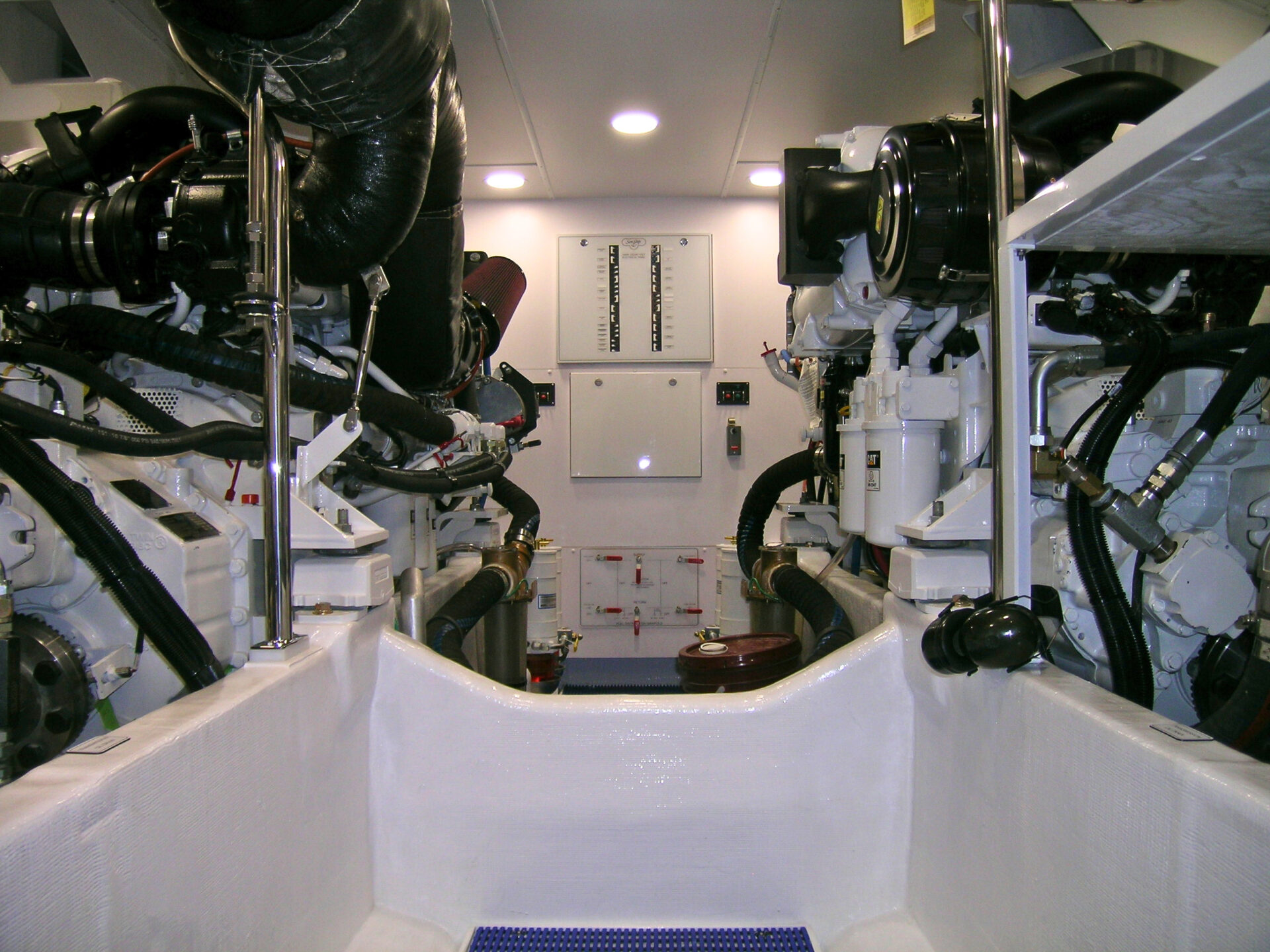
Routine maintenance is one of the best ways to protect your vessel. It’s often called preventative maintenance for a reason. Oil changes, bottom cleaning, fluid checks, and seasonal servicing all play an important role in keeping your vessel operating reliably.
Some of the most expensive repairs we see don’t happen because maintenance was neglected. They can happen because the early warning signs went unnoticed. That’s where a professional inspection can make a difference.
Maintenance vs. Inspection
It’s easy to think of maintenance and inspections as the same thing, but they serve different purposes.
Maintenance focuses on completed scheduled tasks: changing filters, replacing fluids, servicing equipment, and following manufacturer recommendations.
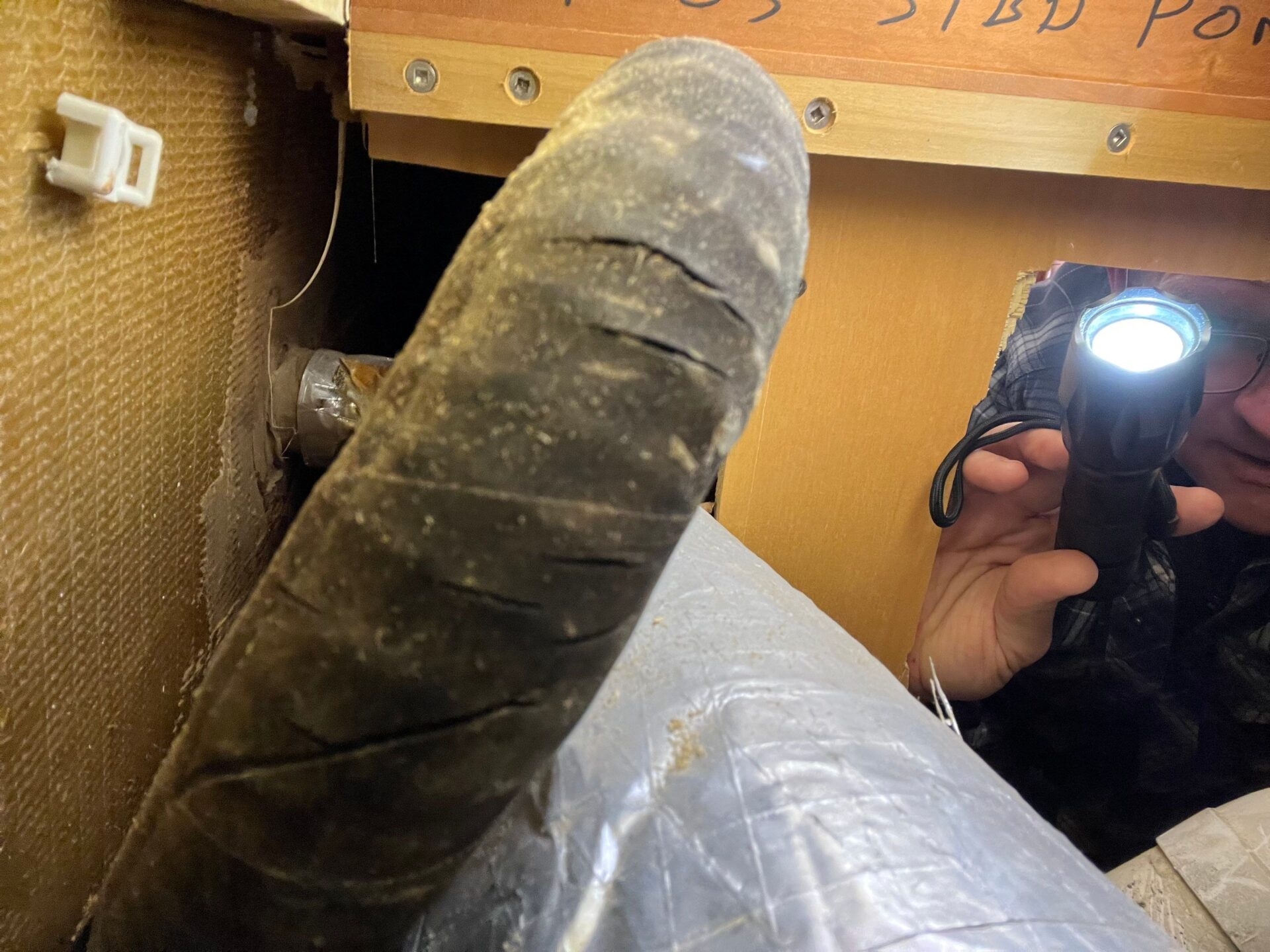
An inspection asks different questions:
- Is this hose beginning to harden?
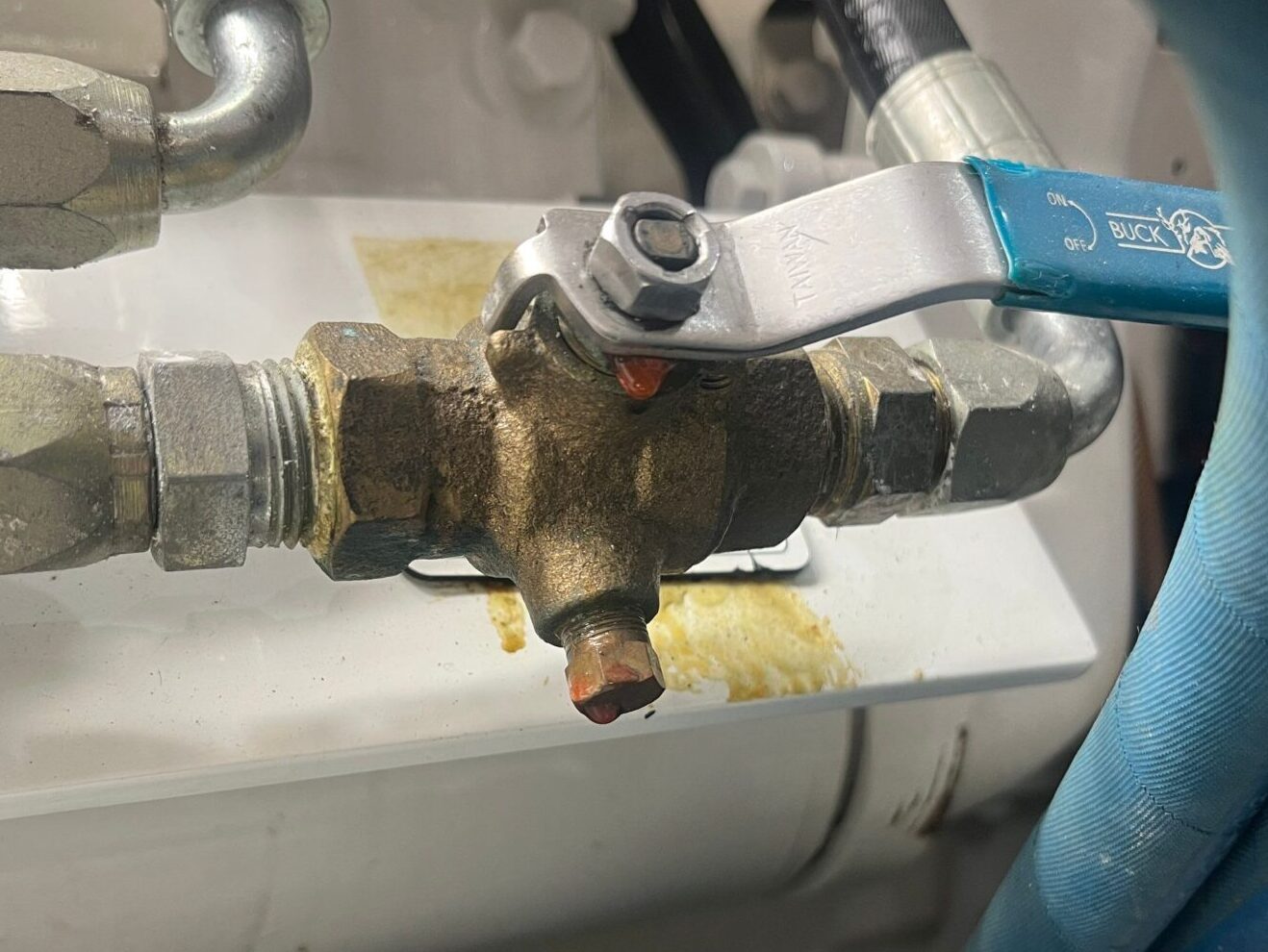
- Has this fitting started to corrode?
- Is that stain cosmetic, or is it the first sign of water intrusion?
- Why has this engine been running a few degrees warmer than last season?
Rather than checking items off a list, an inspection looks for trends, subtle changes, and early indicators that something may be developing beneath the surface.
An inspection should go hand in hand with maintenance. Maintenance is essential, but regular inspections performed alongside routine maintenance help identify developing issues before they become expensive repairs.
Most Major Repairs Come From Small Issues
Mechanical failures rarely happen without warning. A small coolant leak may leave only a few drops in the bilge before it becomes a major engine issue. A hose clamp might develop surface corrosion long before it fails.
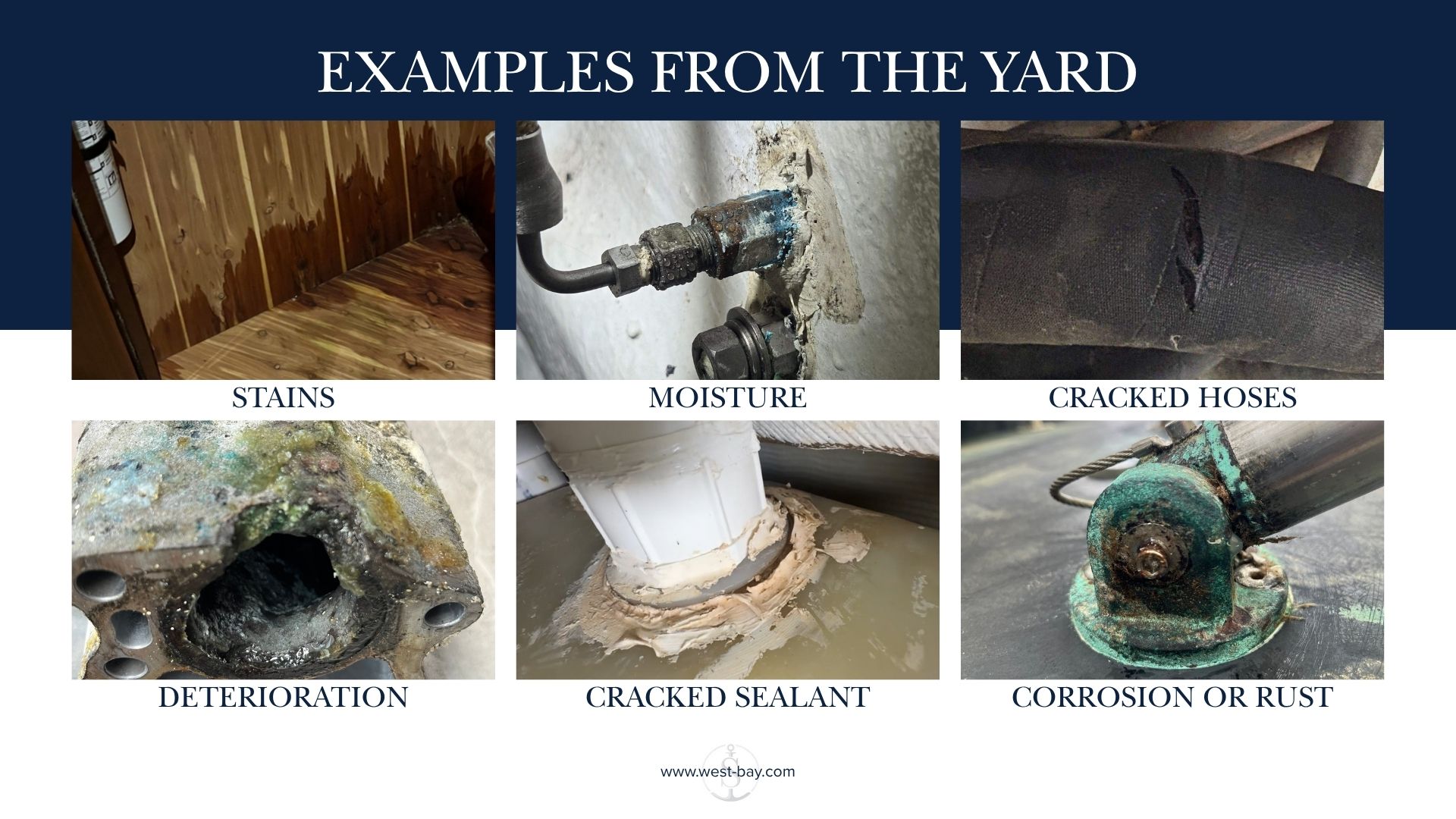
Even cosmetic changes can tell a story. Rust stains, cracked sealant, bubbling paint, or soft wood are often symptoms of a larger issue rather than the problem itself.
The earlier these signs are identified, the more options there are for correcting them before they become disruptive, or expensive.
Looking Beyond Individual Components
One of the biggest differences between a routine check and a professional inspection is understanding how systems work together.
For example, a bilge pump may operate exactly as it should, but if the discharge hose is undersized, poorly routed, or partially restricted, the system may not move nearly as much water as the pump’s advertised capacity suggests.
Likewise, a cooling system may have a new impeller, but if marine growth is restricting the seawater intake or mineral buildup is reducing heat exchanger efficiency, operating temperatures can gradually rise without immediately setting off an alarm.
Rather than evaluating one component, experienced technicians look at how the entire system performs.
Experience Matters
Technical knowledge is important, but experience often comes from seeing the same issues repeatedly. After inspecting hundreds of vessels, certain patterns begin to stand out.
Some components wear in predictable ways. Certain areas are more susceptible to corrosion or water intrusion. Small changes that might appear insignificant on their own, can point to a much larger issue with more context.
That experience helps identify problems while they’re still manageable, giving owners more options before a failure occurs.
What Owners Can Watch For
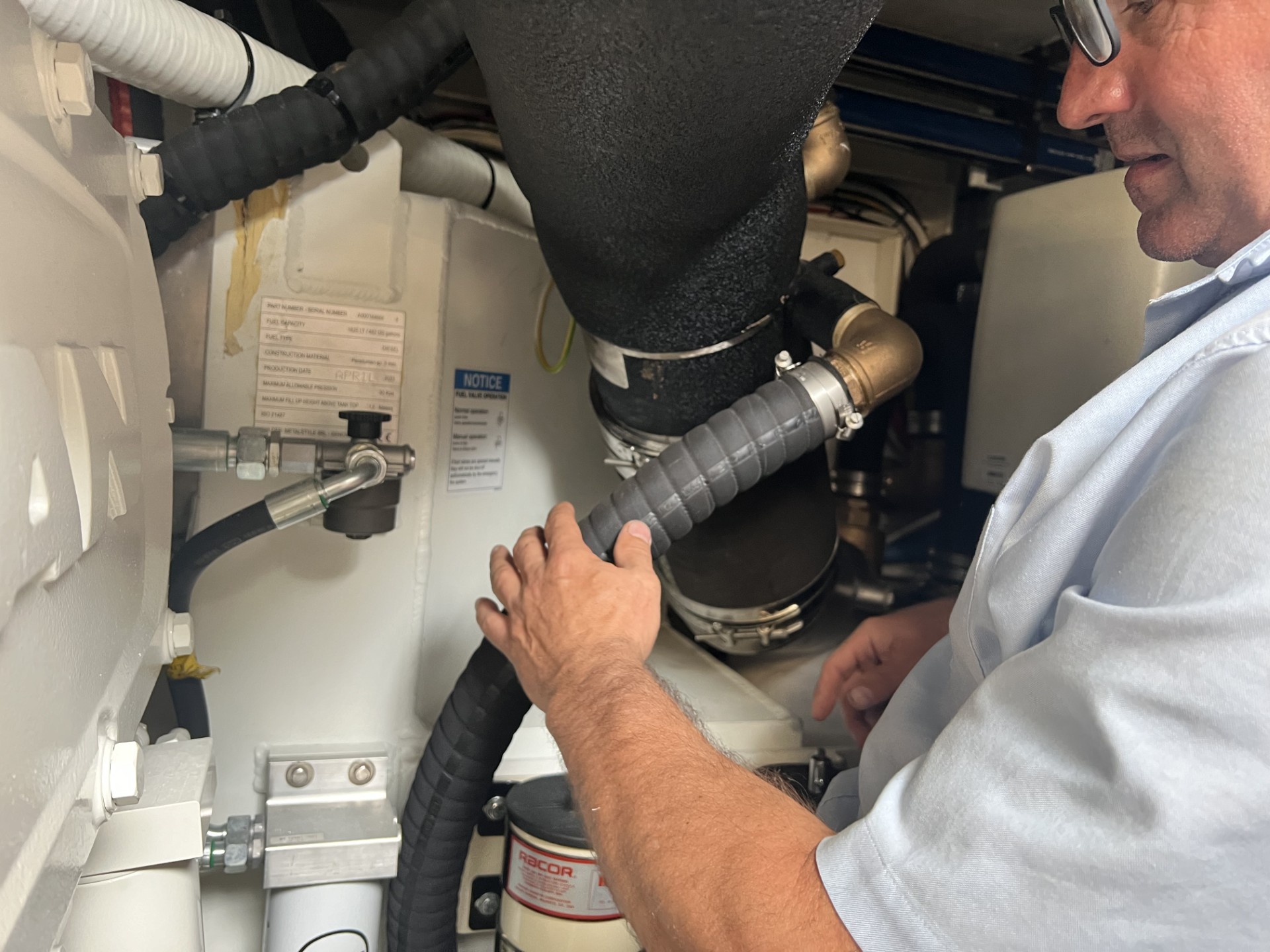
You don’t need years of technical experience to spot that something has changed. There are several observations every owner can make during routine walkthroughs that may help identify issues early.
Pay attention to changes such as:
- New stains, moisture or unusual odours
- Fluid where it shouldn’t be
- Rising engine temperatures under normal operating conditions
- Changes in steering feel or vessel handling
- Corrosion, cracked sealants, or deteriorating hoses
- Pumps or equipment cycling more frequently than usual
None of these automatically indicate a serious problem, but they do warrant a closer look.
A Good Inspection Isn't About Finding Problems
The goal of an inspection isn’t to find problems. It’s about understanding what’s changing. By better understanding the condition of your vessel and identifying developing issues before they become failures, you gain the confidence to make informed decisions about maintenance and future planning.
In many cases, the best outcome is confirming that everything is performing exactly as it should. Just as importantly, identifying non-urgent items allows you to plan ahead. Instead of being caught off guard by an unexpected repair, you can prioritie maintenance, budget for future work, and enjoy the peace of mind that comes from knowing your vessel is operating as it should.
When it comes to protecting your investment, confidence is every bit as valuable as catching a problem early.
Looking Ahead
Understanding what to look for is one of the simplest ways to help prevent costly repairs and make the most of your time on the water. Our “Mechanical Matters” series takes a closer look at the systems, warning signs, and common issues we encounter every day in the yard, helping you better understand what your boat may already be trying to tell you. If you’d like to learn more about how to protect your vessel, explore the rest of the series below.
FAQ: Marine Mechanical Inspections
What does a mechanical inspection include?
A mechanical inspection evaluates the condition of your vessel’s systems, looking for signs of wear, leaks, corrosion, and other developing issues that may affect reliability or safety. The goal is to identify concerns early and help owners make informed maintenance decisions.
How often should I have my boat mechanically inspected?
The right schedule for a full mechanical inspection depends on how often your vessel is used, its age, and its maintenance history. Many owners benefit from a professional inspection before a major cruising season, after purchasing a vessel, or whenever changes in performance or condition are noticed.
For most recreational yachts that are regularly maintained and showing no noticeable changes in performance or condition, a comprehensive mechanical inspection every 1–2 years is a good baseline. Older vessels, heavily used yachts, or those preparing for extended cruising may benefit from more frequent inspections.
Can I perform a mechanical inspection myself?
Owners can perform routine visual checks and become familiar with their vessel’s normal condition. However, a professional inspection often identifies subtle warning signs and developing issues that may not be obvious without experience.
To help owners stay proactive between professional inspections, we’ve also created a Yacht Maintenance Checklist for routine visual checks. You can download it here.
What are the first signs that my boat may need attention?
Small fluid leaks, corrosion, unusal engine temperatures, changes in vibration, unusual noises, or deteriorating hoses are the most common indicators that further inspection is worthwhile.
Is a mechanical inspection only necessary before buying a boat?
No. Routine inspections throughout ownership help identify developing issues, plan maintenance, and reduce the likelihood of unexpected repairs, even if you’ve owned the vessel for years.
Continue Reading: Mechanical Matters Series
What We Look for During a Mechanical Inspection
Learn what experienced technicians are actually looking for during a yacht mechanical inspection and why the small details often matter most.
The Causes of Water Damage on Yachts
Discover how water finds its way into unexpected places, what warning signs to watch for, and how early detection can prevent costly repairs.
Five Warning Signs Your Engine Room Shouldn’t Ignore
Recognize five common signs that something may need attention before a minor issue turns into a major repair.
Small Signs That Can Lead to Expensive Repairs
Explore the subtle clues that can reveal developing problems long before they become obvious—and expensive.
Designing a Boat with Maintenance in Mind
See how thoughtful design and equipment placement can make routine maintenance safer, easier, and more cost effective.
Repair or Upgrade? Knowing When It’s Time to Modernize
Learn how to evaluate whether repairing existing equipment or investing in an upgrade is the better long-term decision for your vessel.