
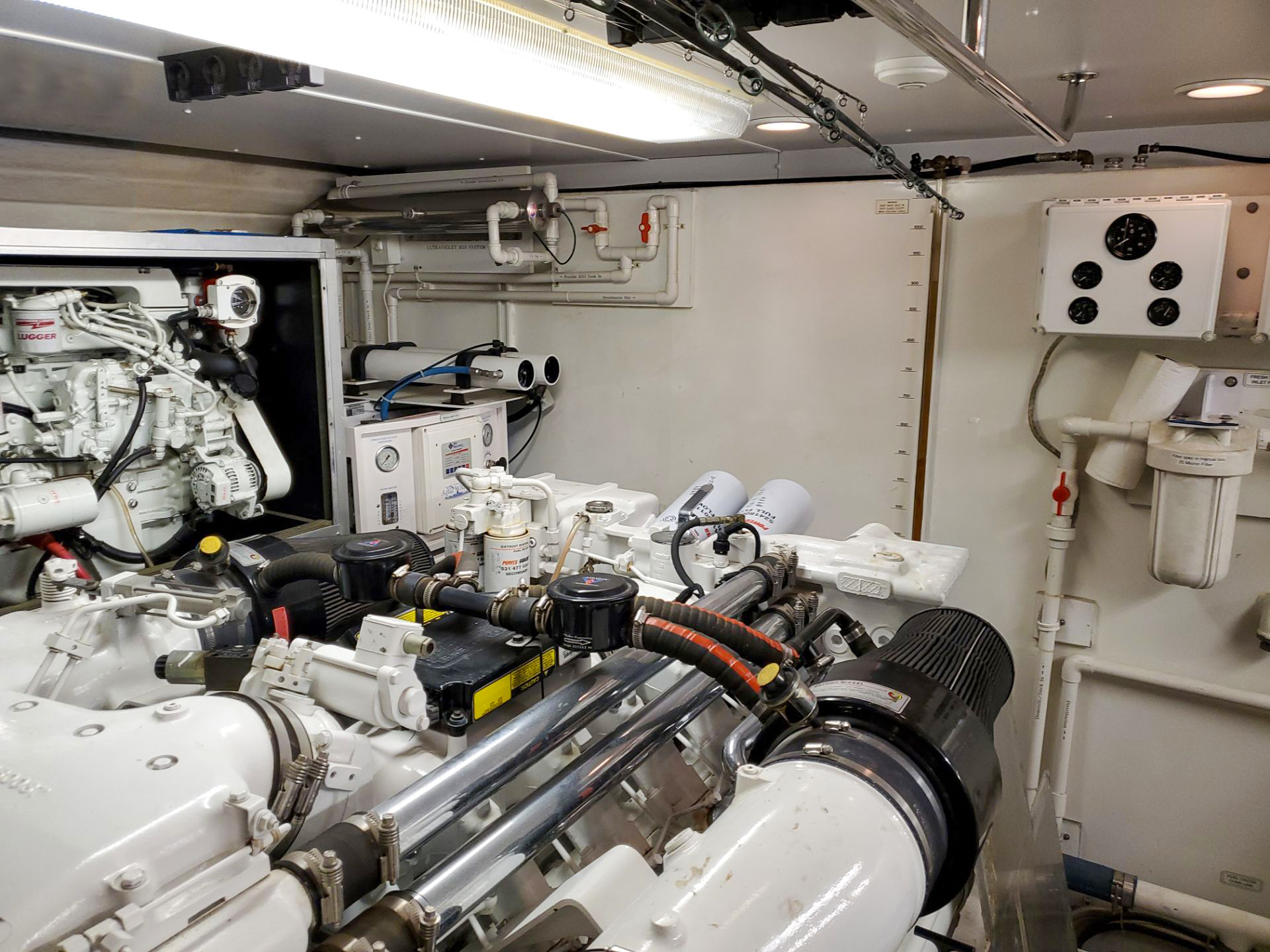
Your engine room is constantly giving you information.
Changes in temperature, new noises, small fluid leaks, or even a faint smell that wasn’t there before can all be early indicators that something isn’t quite right.
Fortunately, major mechanical failures rarely happen without warning. More often than not, they’re preceded by subtle changes that are easy to overlook until a routine inspection, or unexpected breakdown, reveals the underlying problem.
Learning to recognize these engine room warning signs early can help prevent costly repairs and keep your vessel operating reliably.
1. Rising Engine Temperatures
Most owners know to react when an engine overheats. What’s easier to miss is when operating temperatures slowly begin creeping upward over time.
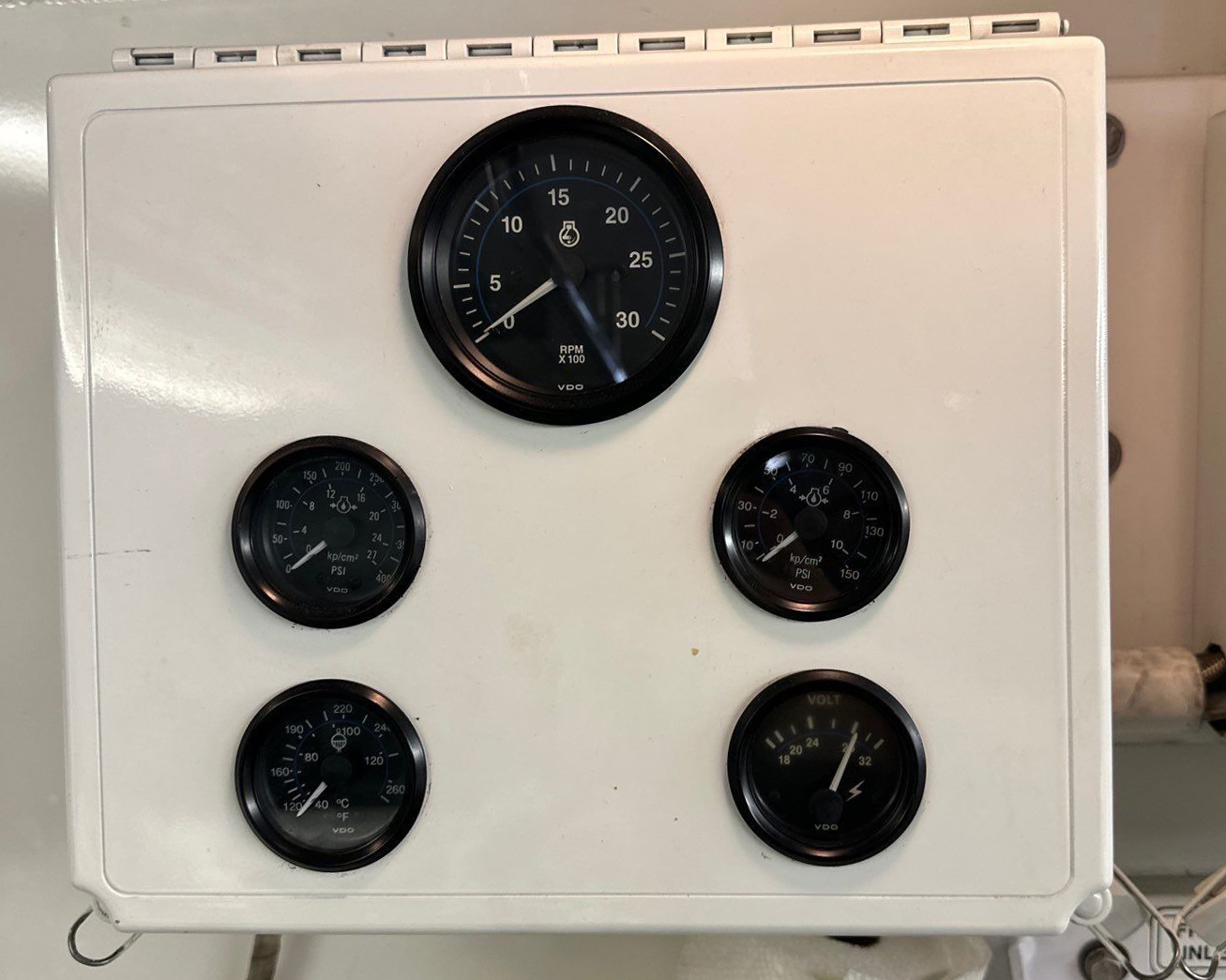
A partially restricted sea water strainer, marine growth, mineral buildup, or a worn impeller can reduce cooling efficiency long before an alarm sounds.
Marine A/C systems need attention too. We took a deep dive into the importance of routine A/C flushing, how to perform one properly, and how we designed a custom flushing system to make the process even easier. Click here to read the full article.
A few extra degrees may not seem significant, but gradual changes often indicate that a cooling system isn’t performing as efficiently as it could.
2. Small Leaks That Weren't There Before
A few small drops of fluid in the bilge may not seem like a major concern, but every leak starts somewhere.
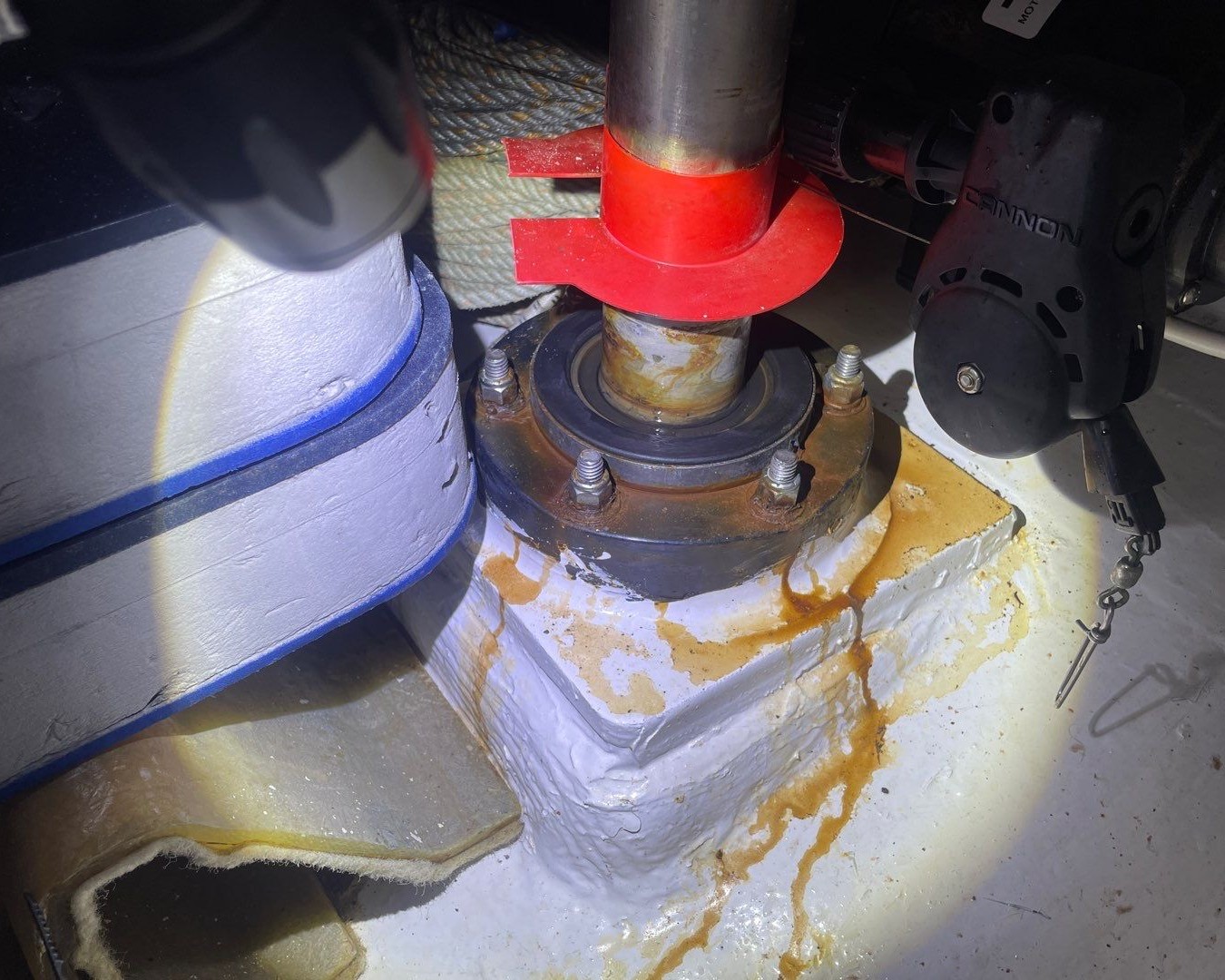
Common fluid leaks we see at the yard include:
- Engine oil
- Coolant
- Transmission fluid
- Hydraulic oil
- Steering fluid
- Fresh water
- Black water
Finding fluid where it shouldn’t be is an opportunity to investigate the cause before a small leak turns into a larger one.
3. Dirty Engine Rooms
A clean engine room isn’t just about keeping up appearances. Inspections and maintenance become much easier when you can clearly spot early warning signs.
Wet spots become more noticeable, developing corrosion is easier to identify, and unusal wear stands out much sooner than it would in a space already coated in oil, dust, and debris.
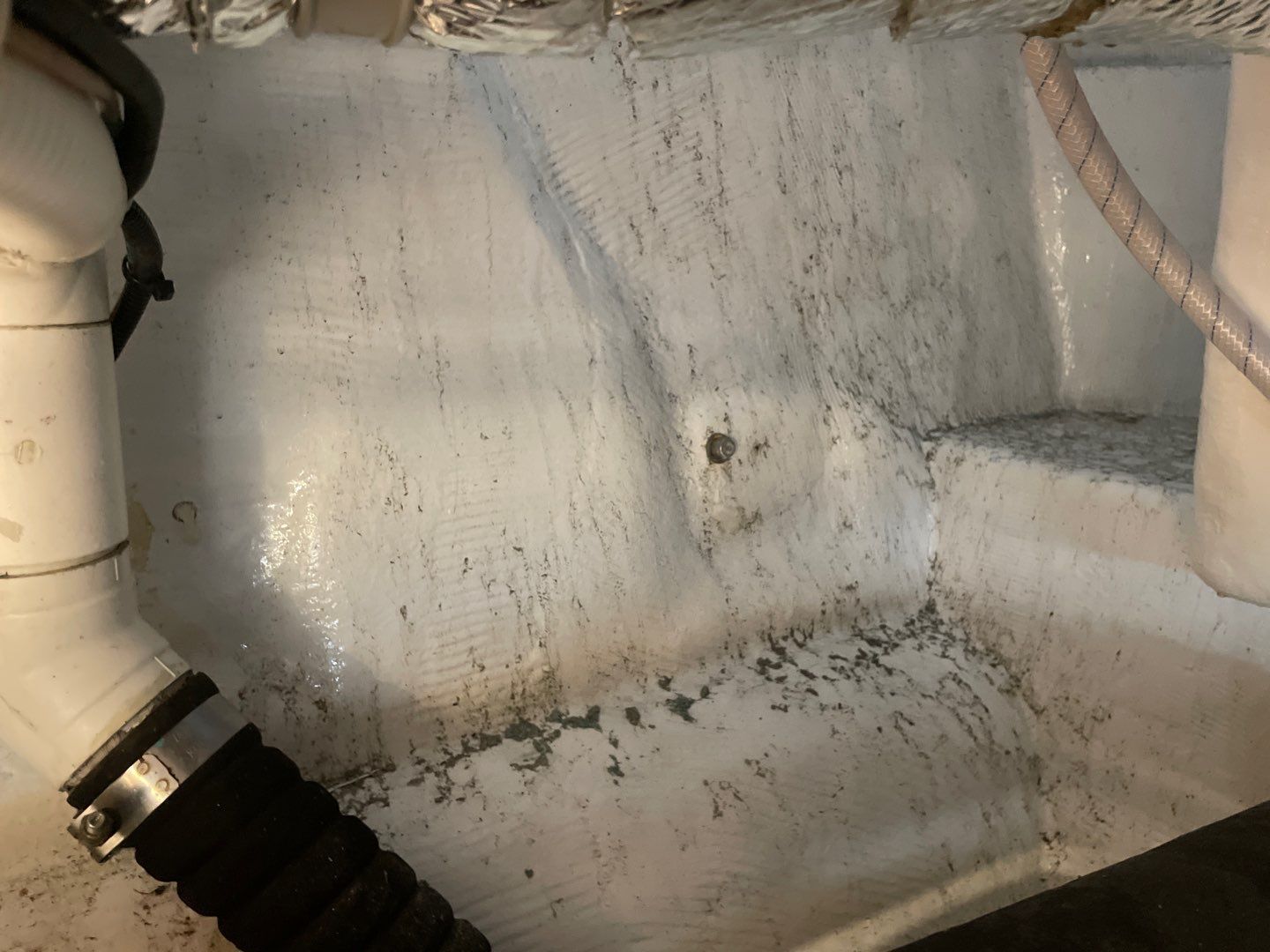
Keeping machinery spaces clean allows small changes to be identified much more quickly.
4. Changes in Engine Performance
Engines often communicate through subtle performance changes before they experience failure.
Hard starting, reduced cooling water flow, exccessive vibration, unusal noises, or increased exhaust smoke can all indicate developing mechanical issues.
Not every change signals a major repair, but any change from normal operation deserves attention.
Knowing how your vessel typically performs makes it much easier to recognize when something isn’t quite right.
5. Service Records
A professional inspection looks beyond the equipment itself.
Maintenance records, oil analysis, and previous service history all help establish patterns that may not be obvious during a single visit.
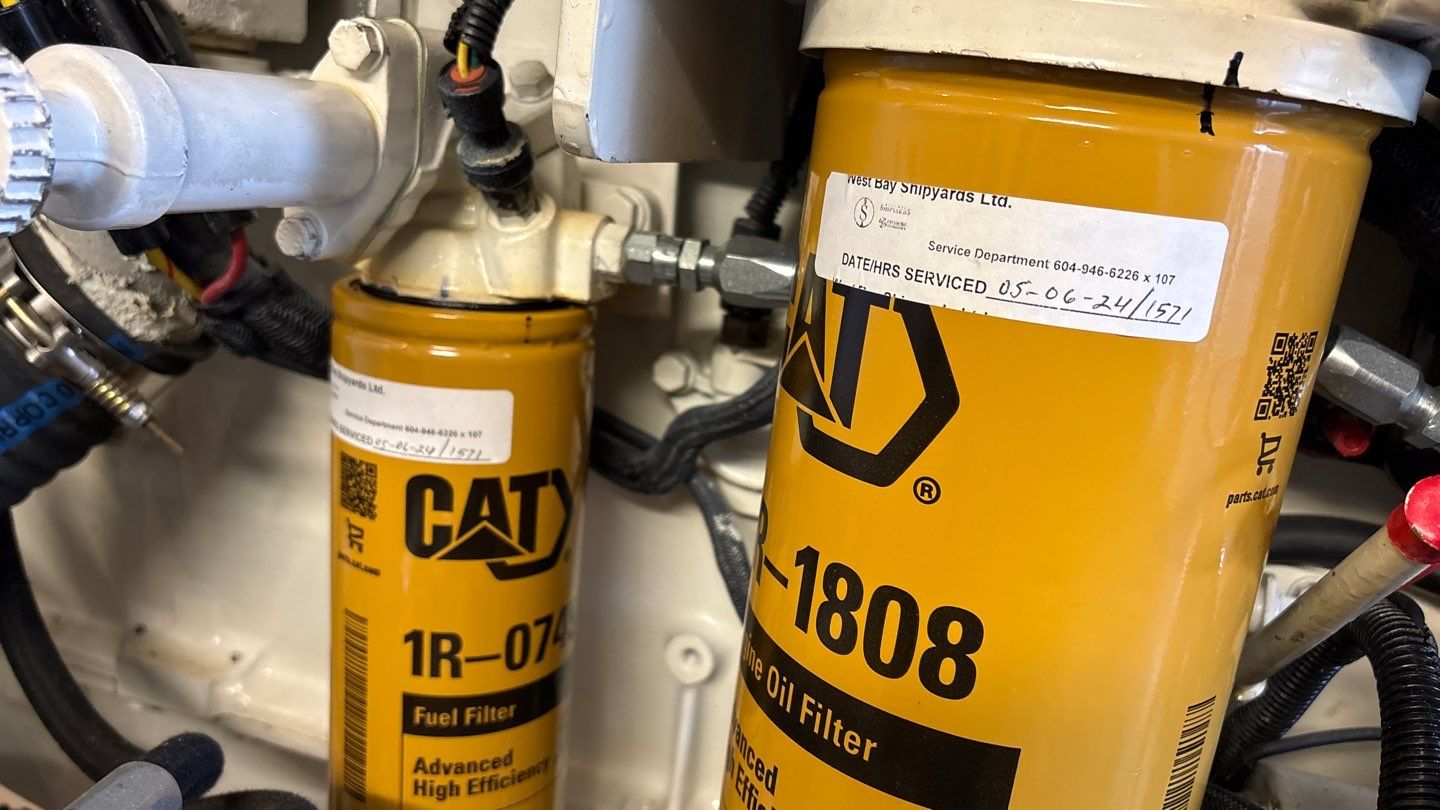
Regular fluid sampling, tracking operating hours, and documenting repairs create a clearer picture of how your vessel is performing over time.
Like the vessel itself, your maintenance history tells a story.
Running hours don’t equal calendar time. We recommend servicing your vessel based on both operating hours and calendar time, as many components continue to age, even when they’re not being used.
Don't Wait for an Alarm
An alarm is designed to tell you when a problem has already reached a critical point.
Inspections focus on identifying the changes that happen long before that.
Paying attention to temperatures, fluid levels, leaks, performance, and the overall condition of your engine room provides valueable insight into the health of your vessel.
The goal isn’t to assume every change is a major problem, but recognize when something deserves a closer look.
Looking Ahead
Understanding what to look for is one of the simplest ways to help prevent costly repairs and make the most of your time on the water. Our “Mechanical Matters” series takes a closer look at the systems, warning signs, and common issues we encounter every day in the yard, helping you better understand what your boat may already be trying to tell you. If you’d like to learn more about how to protect your vessel, explore the rest of the series below.
FAQ: Marine Mechanical Inspections
What are the first signs of engine trouble on a yacht?
Small changes are often the first indication that something may need attention. Rising engine temperaturs, new fluid leaks, unusual noises, increased vibration, changes in exhaust smoke, or reduced cooling water flow can all signal a developing issue before a major failure occurs.
Is a small fluid leak in the bilge normal?
Not necessarily. While a few drops may not indicate an emergency, every leak has a source. Engine oil, coolant, hydraulic fluid, transmission fluid, steering fluid, and fresh or black water leaks should always be investigated to determine where they’re coming from before they become larger problems.
Why is my boat engine running hotter than normal?
Gradually increasing engine temperatures can be caused by restricted seawater flow, clogged strainers, marine growth, worn impellers, or reduced cooling effciency. Even a small increase in operating temperature is worth investigating before it develops into a more significant problem.
How often should a yacht be serviced?
Engine service intervals vary depending on the manufactuter, operating hours, and how the vessel is used. In addition to service-hour recommendations, many components should also be serviced based on calendar time, as seals, fluids, and rubber components continue to age even when the engine isn’t being used.
Should I be concerned if my boat engine sounds different?
Yes. A new vibration, unusal noise, or change in how your engine performs shouldn’t be ignored. While the cause may be minor, changes in normal operation are often the first indication that something deserves a closer inspection.
Continue Reading: Mechanical Matters Series
What We Look for During a Mechanical Inspection
Learn what experienced technicians are actually looking for during a yacht mechanical inspection and why the small details often matter most.
Hidden Causes of Water Damage on Yachts
Discover how water finds its way into unexpected places, what warning signs to watch for, and how early detection can prevent costly repairs.
Five Warning Signs Your Engine Room Shouldn’t Ignore
Recognize five common signs that something may need attention before a minor issue turns into a major repair.
Small Signs That Can Lead to Expensive Repairs
Explore the subtle clues that can reveal developing problems long before they become obvious—and expensive.
Designing a Boat with Maintenance in Mind
See how thoughtful design and equipment placement can make routine maintenance safer, easier, and more cost effective.
Repair or Upgrade? Knowing When It’s Time to Modernize
Learn how to evaluate whether repairing existing equipment or investing in an upgrade is the better long-term decision for your vessel.