
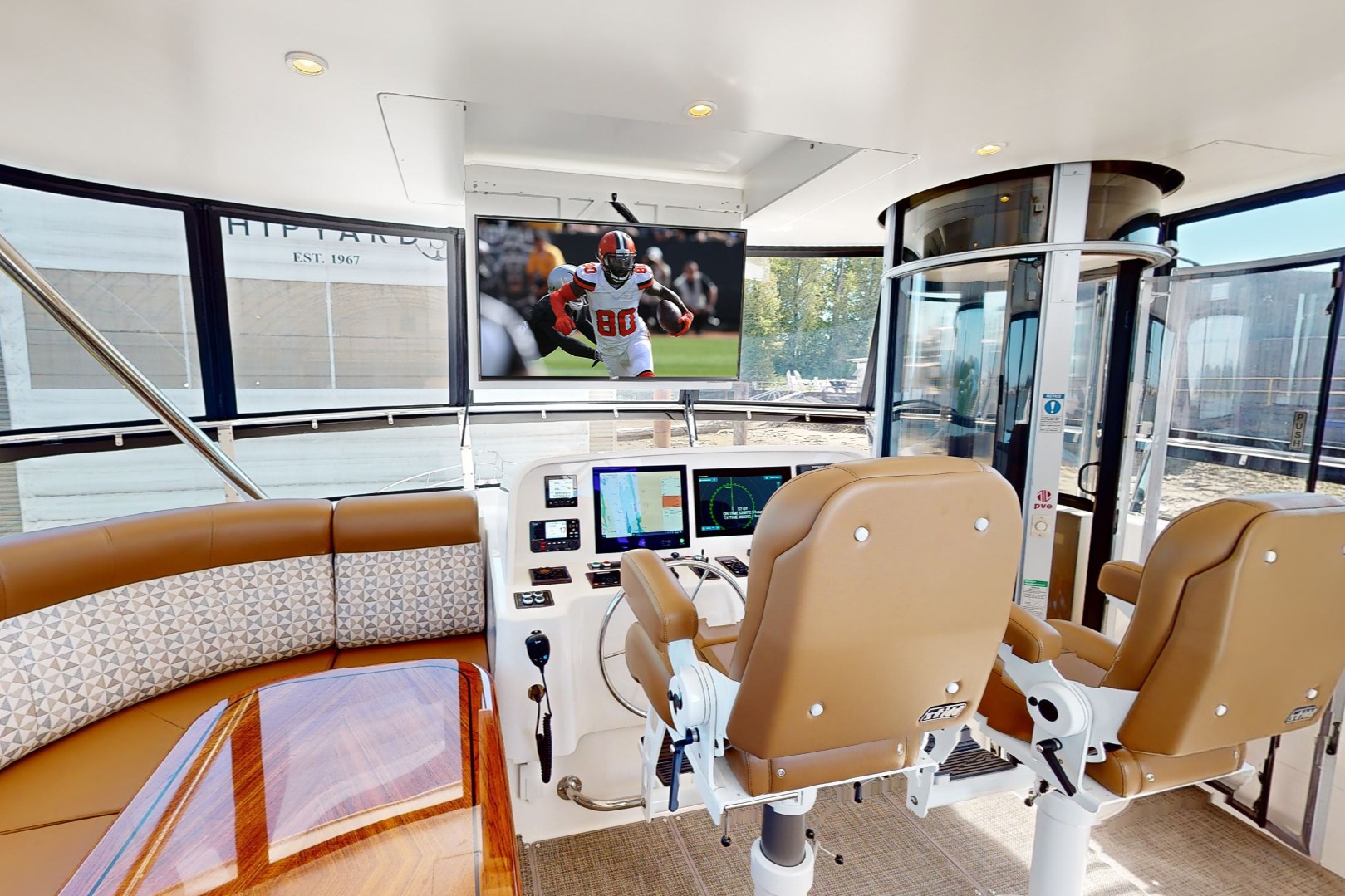
A sliding door that takes two hands to open. That one screen at the helm you have to lean to one side to read. Moving three things around just to reach the one you need. They’re all small inconveniences, and you’ve probably found ways to work around them. But when they come up each time you’re aboard, they can start to take away from your enjoyment.
Making your vessel work better for you can be as simple as removing these little obstacles from everyday tasks. A door that opens smoothly everytime, information you can read at a glance, or storage that keeps everyday items within reach can make your time aboard feel easier and more enjoyable.
As you look ahead to your next boating season, consider the things you’ve learned to work around or accomodate. A few thoughtful improvements may be enough to make a noticeable difference to your experience.
Start With How You Actually Use Your Vessel
Some of the most useful upgrades you can make to your vessel respond directly to how you spend your time on the water. An owner who regularly cruises for several weeks may have different priorities than someone who mainly takes day trips or enjoys entertaining at the dock.
Think back over the past season:
- What did you find yourself adjusting, moving, or struggling with repeatedly?
- Were any seats, storage areas, or other parts of your vessel hard to use?
- Were everyday items easy to reach and put away?
- Did you or your guests have difficulty boarding, moving around, or reaching controls and switches?
- Has the way you use your vessel changed since you purchased it?
Be specific. “The galley needs updating” is a good starting point, but “We don’t have enough usable counter space when preparing meals” identifies a more practical problem to solve.
That distinction can help shape the work around a clear outcome, whether you’re making small improvements or considering a full refit.
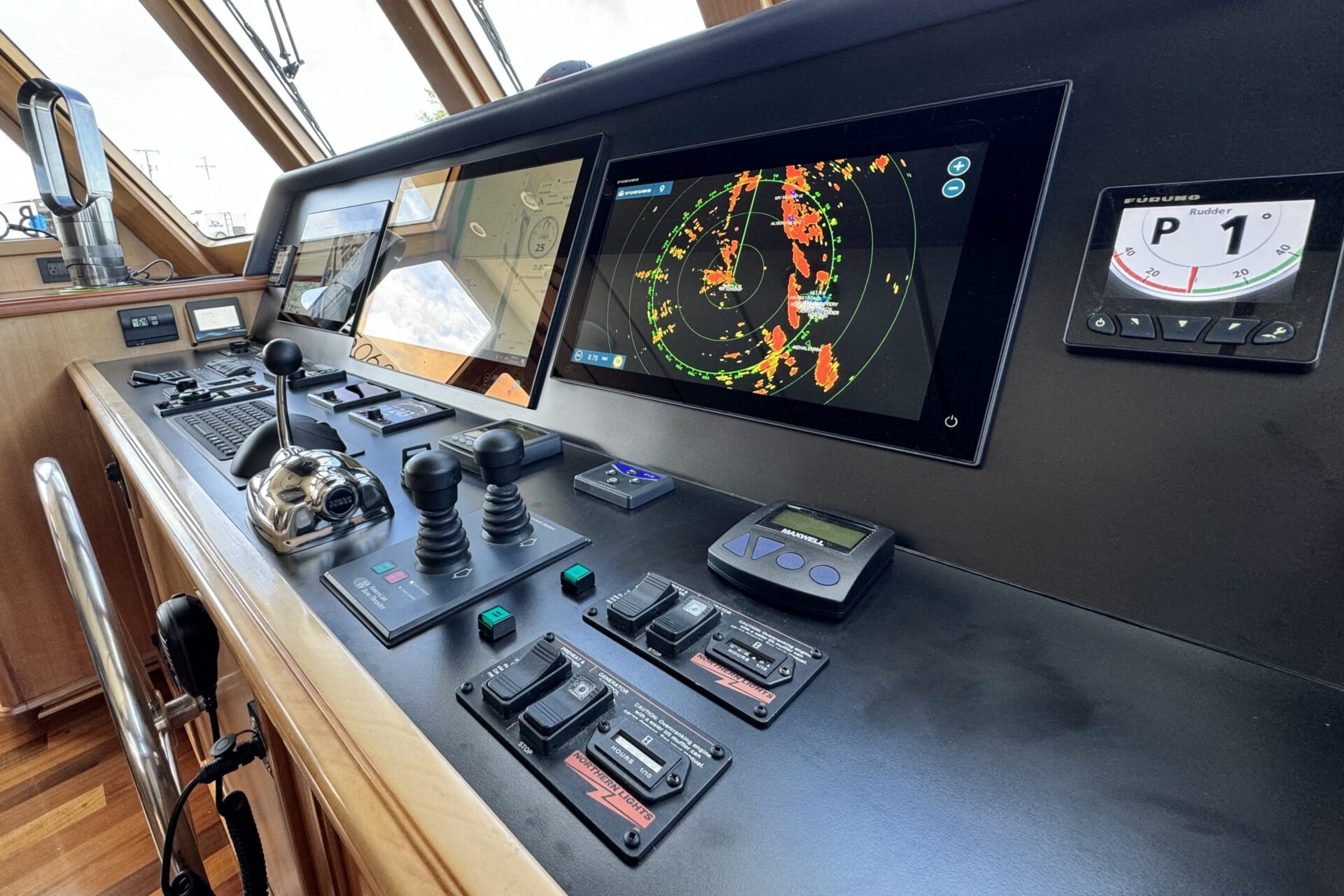
Look at the Workarounds You've Accepted
When you know your vessel well, you tend to stop noticing the extra effort certain tasks take. You know which way to pull a stubborn door, where to stand to read a screen more easily, and exactly how to arrange stored items so they don’t block access to something else.
These workarounds become part of your routine, but they’re worth examining.
How long has that door been difficult to open?
Should you have to lean over to view important information at the helm?
If you were using your vessel for the first time, would it feel convenient, or would you immediately want to change something?
Think about the quirks or obstacles you’d need to explain to someone unfamiliar with your vessel. Pay attention to tasks that require an extra hand, an awkward reach, or repeated rearranging. Consider which tasks you put off because they’re inconvenient to carry out. You might also notice that guests struggle with something that feels automatic for you. That can be a useful reminder that you’ve adapted to an inconvenience that could potentially be resolved.
Identify What Would Make the Task Easier
Once you’ve identified a frustration, consider what you’d like to be able to do differently. Describing the desired result helps your service team explore suitable solutions.
For example, “We need more storage” may actually mean “We need somewhere accessible to keep the gear we use everyday.” The answer could involve modifyng an existing locker rather than adding cabinetry. Similarly, a screen that’s difficult to read may need repositioning rather than replacing.
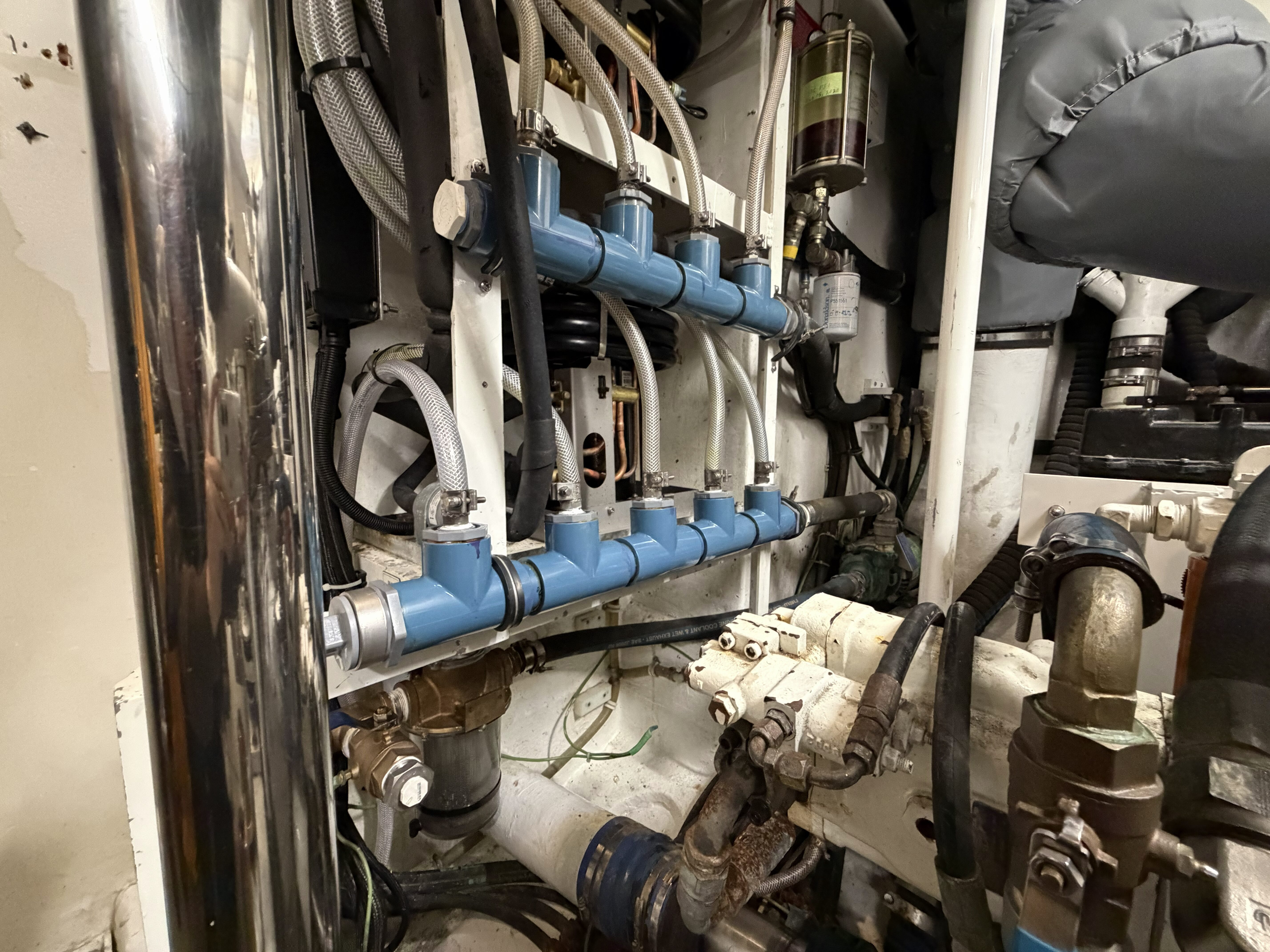
Improvements can also make routine maintenance more convenient. The modified A/C flush sytem we shared in our post on the importance of regular flushing is one example of making equipment easier to care for. Simplifying a recurring service task can be a worthwile improvement in itself.
Sometimes an inconvenience feels like something you simply have to accept because of the way your vessel was built. But an existing arrangement isn’t always the option. Looking closely at how something is used can reveal opportunties to adapt it, whether that means modifying a component, rethinking access, or fabriating a solution for the space.
That kind of problem-solving is at the heart of our work at West Bay. We enjoy figuring out how to make something work better for the person using it, including the small details that make everyday life aboard more enjoyable.
Repair, Adjust or Upgrade?
The right solution depends on why something is difficult to use.
If a sliding door used to open smoothly but now takes considerable effort, the first step is to assess it’s condition. It may be a simple solution, such as performing maintenance to the door rails. Or replacing parts, like the brush seal to restore movement to the door.
If something has always been inconvenient, a modification may be more useful. A locker might be in good condition, but have an opening that makes access difficult. Your helm displays might work reliably, but are laid out in an awkward viewing position. In these cases, modifications could address the frustration.
Replacement may be appropriate when the existing equipment or installation can’t reasonably provide the result you need. The important thing is to understand the cause before committing to any work.
An assessment can also identify what a proposed change needs to accommodcate, such as wiring, drainage, surrounding finishes, or access to other equipment. This helps establish a practical scope that can address the problems properly and efficiently.
Prioritize Your Improvements
Once you start noticing opportunities for improvement, the list can grow quickly. Deciding where to begin comes down to what would make the most meaningful difference to your time aboard.
Consider how often each issue comes up, how much effort it adds, and who it affects. A storage change that makes fishing trips easier may be a higher priority for you than updating an area you rarely use.
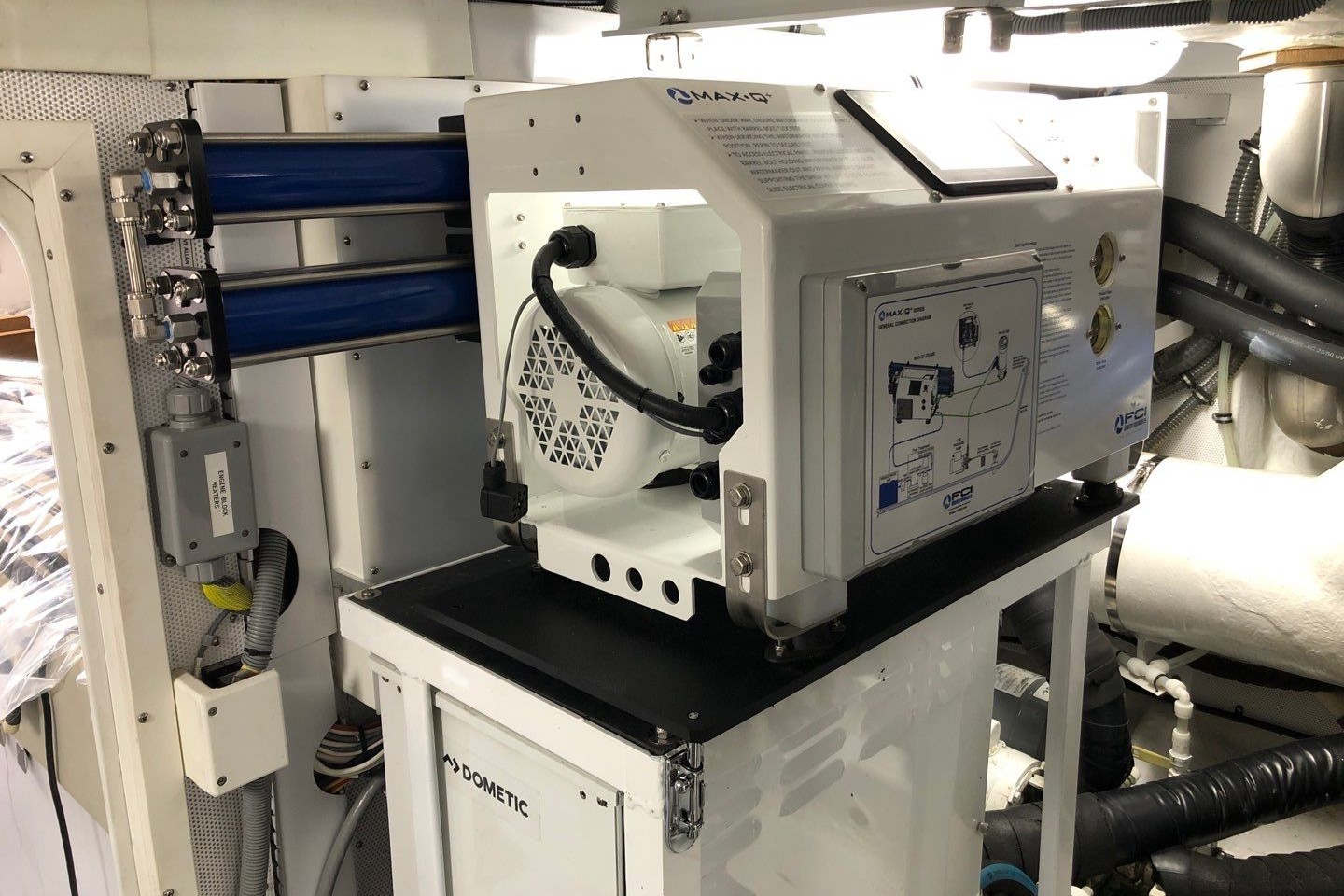
It’s also worth considering the tasks invovled in caring for your vesssel. Better service access or a simpler flushing arrangement may offer ongoing value by making recurring maintenance more straightforward.
You don’t need to address everything at once. Start with improvements that would remove the most persistent frustrations, then discuss whether any related work makes sense to complete together.
Make Next Season More Enjoyable
You know the details of life aboard your vessel: the door you always have to pull a little too hard on, the locker you avoid because it’s awkward to access, and the space that could be more useful.
Those familar frustrations can be the starting point for a thoughtful modification. At West Bay Shipyards, we enjoy exploring those possibilites with owners — especially when something they’ve accepted as “just how it is” turns out to have a practial solution.
Sometimes, making your vessel better suited to you starts with a small change you hadn’t realized was possible.
FAQ: Practical Vessel Upgrades
What vessel upgrades make the biggest difference to everyday use?
The most valuable upgrades address tasks or frustrations you encounter regularly. More accessible storage, easier-to-operate doors, better-positioned helm displays, and simpler maintenance arrangements can all make a meaningful difference. The best choice depends on how you use and care for your vessel.
Do practical improvements require a full refit?
Many improvements can be completed as individual projects. The scope depends on the existing installation, access, and any related work needed. An assessment can help determine whether to tackle improvements separately or coordinate them together.
Can older vessels be adapted to suit different needs?
In many cases, yes! Cabinetry, equipment layouts, lighting, and access arrangements can often be modified to better suit how you use your vessel today. The options depend on its construction, condition, and available space.
When should I start planning work for the next season?
Start the conversation once you’ve identified something you’d like to improve, particularly if you have a specific departure date. You don’t need to have a solution worked out. Early discussions allow time to explore options, confirm the scope, and plan for materials, installation, and testing.
What Could Work Better Aboard Your Boat?
From everyday frustrations to custom modifications, we love exploring ways to make your experience out on the water the best it can be. Speak to our team today about how we can help make your vessel work better for you.